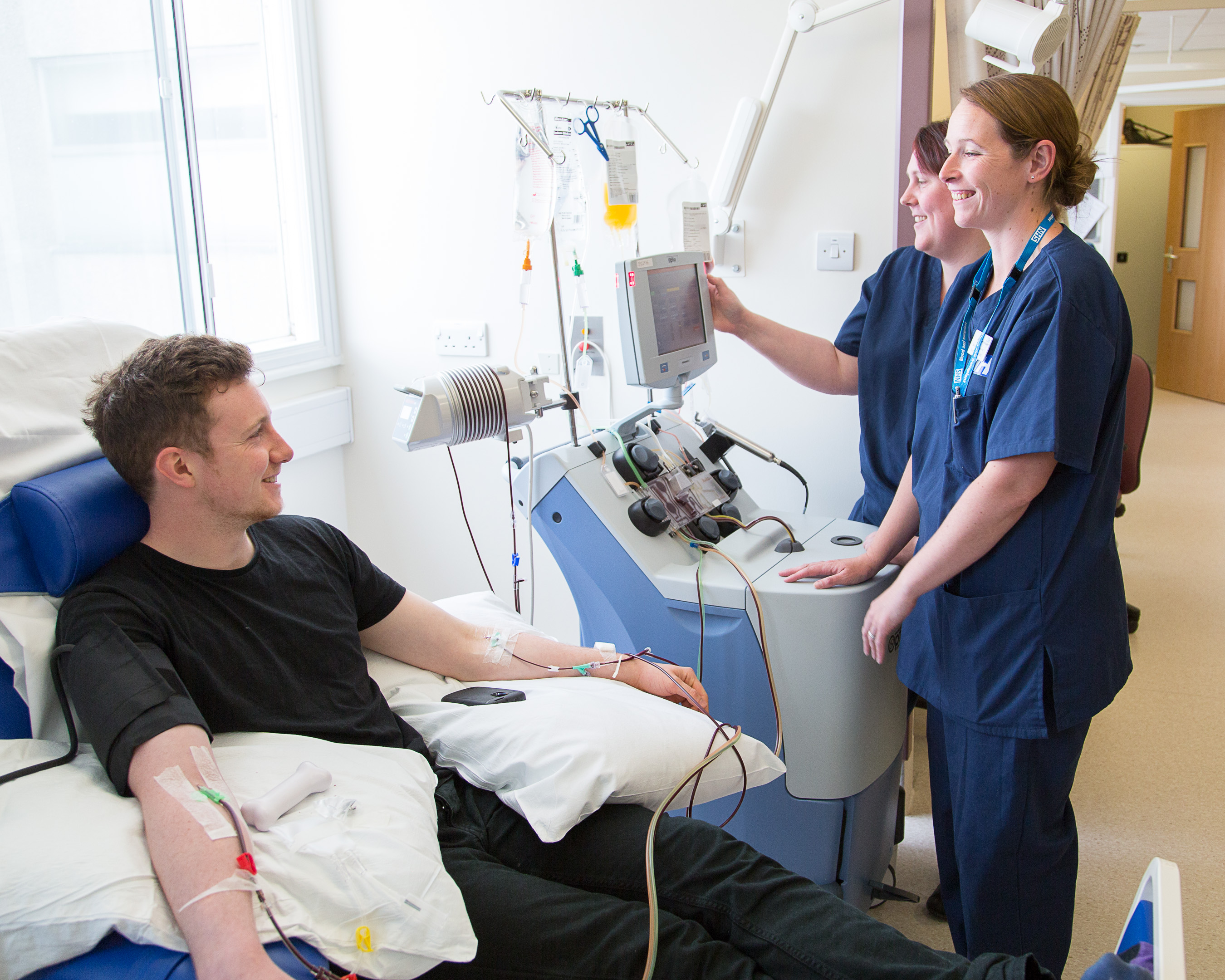
Stem cell and Unicorn poop!


Dear all,  1) STEM CELL FOR MS

stem cell

I thought the Panorama piece about stem cell transplantation (AHSCT, ASCT or HSCT) for MS was well done and respectful to people with MS. You can watch it here: http://www.bbc.co.uk/programmes/b06ss17g ,

and there is very good following information on the MS Trust website at https://www.mstrust.org.uk/a-z/stem-cell-therapy#availability

I’m summarising the main points from that here:

As with most treatments for MS, it is only effective for people with either relapsing remitting, or early progressive MS, for whom inflammation is a feature – ie relapses, or active lesions on MRI scan. It’s an aggressive treatment & has significant risks, including risk of death – now reduced to 1-2 per 100 people treated, due to infection.

In the UK, it’s only been offered as treatment on the NHS so far to a very few people, with very aggressive forms of MS, who have continued to relapse on disease modifying therapies, and in general early in the disease course, before the onset of any permanent disability (although rare exceptions in recent disability within last year)

There is one clinical trial currently recruiting in the UK currently; details here:

https://clinicaltrials.gov/ct2/show/NCT00273364,

There are stem cell treatments going on commercially, which some people have travelled abroad for. Costs are between £30,000 and £85,000. Some clinics may accept people for whom the benefits would not be considered by UK clinicians to balance with the risks, and an important set of questions to ask yourself and the clinics, if you were to consider this, is on the MS Trust site.

Stem cell therapy has the potential to bring significant benefits to some people with MS. It cannot be seen as a cure, as in trials, for some people, progression has continued after around 2 years. Good progress is being made through clinical trials & the outcomes of treatment are improving as more is learned. However, as research is still at an early stage, stem cell therapy is not widely practiced and the results of treatment for a particular person cannot be predicted. The risks should be very carefully considered, including the possibility of treatment-related death,  and weighed up against potential benefits.


2) UNICORN POOP!


Click below to watch

And now, from one of my favourite topics, poo, to another – more poo!This very funny video has a great product to sell – the ‘Squatty Potty’, which gets you in the correct natural position to effectively ‘have your bowels open’, eliminating the U bend kink that puts everything under strain when you sit on a western style toilet. But it’s worth watching just for the handsome prince eating unicorn poop icecream.

All the best! – Miranda


How not to die from a DVT

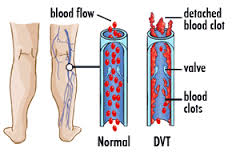
We very sadly recently lost a member, who died as a result of a deep vein thrombosis, or DVT. A DVT is a clot that forms in the leg, but then travels in the circulation and blocks off a narrower blood vessel somewhere else in the body. Our greatly missed friend was someone who could walk, with a frame, but only just. A powerful frame, tall, with a bit of weight – these things put more pressure and constriction on the veins in a seated position. On his own admission, he didn’t drink much throughout the day. He hadn’t been able to access his physio or exercise in the gym for some weeks as awaiting a wheelchair accessible vehicle, and mobilising was a struggle – he was awaiting a baclofen pump.

We wanted to get everyone thinking about their own risk factors, and please, to take the necessary steps to help avoid this sudden and possibly fatal incident.

DEEP vein throbosis

The main cause of DVT is immobility – especially during or after surgery, but can occur without surgery. Things you can do to protect against DVT include:

  • regular brisk walking – not always possible I know! But even whilst sitting,
  • If possible, regularly circle your ankles, get into a ‘tiptoe’ position and then lift your toes off the floor whilst keeping your heels on the ground.
  • when resting, when possible, spend some time with your feet higher than hip height.
  • Stay well hydrated – this keeps the blood less sticky and less likely to clot.
  • Research on the benefits of wearing Thrombo embolitic deterrent stockings (TEDS) has shown that there is no benefit, unless you have recently had an operation.
  • However, if your legs are swollen, or you have had thrombophelbitis, you can talk to your GP about getting grade 2 or 3 TEDs on prescription. You may need to first have test with a hand held Doppler scanner, done by a nurse.
  • They are available in different colours, and in open or closed toe options.
    • They should be removed at bedtime and put on first thing in the morning. It is important to put them on before your legs start to swell in the mornings.
    • Stockings should be replaced every 3-6 months. Each time you should be measured again, just in case the size needs to be changed.
    • You should always have at least two pairs prescribed so that one pair can be washed and dried while the other is worn.
    • Do not tumble dry support stockings, as this may damage the elastic.
    • They can be made to measure if none of the standard sizes fit you.
    • Support stocking applicator aids are available if you are unable to get them on. You can discuss this with your pharmacist or nurse.

A DVT that is recognised in time can be treated to prevent further complications. So what to watch out for?

    • Pain and tenderness of the calf.
    • Swelling of the calf.
    • Colour and temperature changes of the calf. Blood that would normally go through the blocked vein is diverted to outer veins. The calf may then become warm and red.

If you have any of these symptoms, with no other explanation, seek medical help immediately, to be safe.

DVT


Fingolimod – be aware of this

Just a quickie – from Bart’s MS Blog by Gavin Giovannonni

ClinicSpeak: Fingolimoders need to be aware of opportunistic infections

If you are on fingolimod please be vigilant about infections, including opportunistic infections. #ClinicSpeak #MSBlog #MSResearch

“In response to an anonymous comment on the Natalizumab retinitis post yesterday. I think it is appropriate to warn all MSers on fingolimod to be vigilant as well about infections and opportunistic infections.”

“The two case studies below highlight that opportunistic infections and severe viral infections are an issue on fingolimod. The first case report below is of a near fatal case of herpes simplex virus encephalitis (HSVE). This is not surprising, in fact in the phase 3 TRANSFORMS trial there was a fatality due to HSVE in an MSer on fingolimod, albeit on the higher, 1.25mg, dose.”

HSVE

“The second case is of a MSers on fingolimod developing Kaposi’s sarcoma, which is due to a specific herpesvirus. Kaposi’s sarcoma is classified as an opportunistic infection and is seen most commonly in people with AIDS and in people who have had a transplant and are on immunosuppression. Although this patient had a lymphopenia (PML, I would predict the occurrence of other opportunistic infections in MSers on fingolimod.”

“One infection that can be screened for is HPV, the cause of cervical cancer. If you are a woman on fingolimod please make sure you don’t miss your regular cervical, or PAP, smears. If you live in a country in which this is not mandatory please ask your family doctor to arrange for this to happen. As always prevention is better than cure.”

Epub: Pfender et al. Reactivation of herpesvirus under fingolimod: A case of severe herpes simplex encephalitis. Neurology. 2015 May 8.

Epub: Tully et al. Kaposi sarcoma in a patient with relapsing-remitting multiple sclerosis receiving fingolimod. Neurology. 2015 May 12;84(19):1999-2001.

Primary Progressive MS drug trial recruiting – Laquinimod

MRI

This drug trial is now recruiting for people with PPMS, in London. It’s a drug with exciting possibilities, not a ‘repurposed’ medication.

Here’s what Professor Giovannonni of Barts hospital and http://multiple-sclerosis-research.blogspot.com has to say about Laquinimod:

“As you are aware I am very impressed by the laquinimod phase 3 results. Why? Laquinimod is a drug that does not have much effect on inflammatory MS disease activity, i.e. relapses and MRI activity (Gd-enhancing and new T2 lesions). Despite its weak anti-inflammatory effects laquinimod has an impact on disability progression, that appears to be independent of relapses and it slows the rate of brain atrophy. All this points to laquinimod having neuroprotective effects downstream of inflammation. It now appears that laquinimod may be working on glial cell activity and the innate immune system; laquinimod down-regulates the mechanisms responsible for the slow-burn we see in MSers. Are the laquinimod results reliable? Almost certainly they are; why? Mainly because there has been two large phase 3 studies showing the same effect. This makes  the chances of this being a chance result highly unlikely.”

and here’s another post about it from the pharma side:

http://www.drugdevelopment-technology.com/news/newsteva-and-active-biotech-enrol-first-patient-in-laquinimod-phase-ii-trial-for-ppms-4561605

and here’s the link to the trial site from NHS choices website.

http://www.nhs.uk/Conditions/Multiple-sclerosis/Pages/clinical-trial-details.aspx?TrialId=NCT02284568&Condition=Multiple%20sclerosis&pn=1&Rec=0&CT=0

Exciting opportunity if it feels like you have nothing to lose, but ALWAYS REMEMBER TO ASK THESE QUESTIONS!

Questions to ask when considering taking part in a trial:

What are the potential risks?
How many people/ what percentage have these risks
What are the potential side-effects?
How many people /what percentage get these?
What can be done if I do have a side effect or risk? Is it reversible?
What are the potential benefits?
What percentage have had these benefits?
How much of these had similar condition at a similar stage to me?
How long do they last?
Is more treatment necessary?
How much does it cost?
Will you give information either to me or to my doctor about what therapy I have undergone?
How will I be monitored? Eg scans, bloodtests etc
How often will I have to return for follow up? Is there a charge?
Will they pay my travel expenses?
How will I know if it’s worked? What’s the timescale for improvement?
Is there a placebo ( dummy drug) group? If I’m in the placebo group, and the real treatment group benefit, will I have the chance to change to the treatment group?
If I have the treatment during the trial, and benefit from it, will I be able to carry on with it long term?

All the best!

Miranda


Biotin for progressive MS – possible new treatment

Happy spring, everyone! Hopeful news for new treatments for progressive MS recently.secondary progressive MS

First up, Biotin. A new study using this common vitamin reported reduction in disability for 21 out of 23 participants with progressive MS.

Twenty-three consecutive patients were treated with high doses of biotin ranging from 100 mg to 600 mg/day (median=300 mg/day divided in three doses) for 2 to 36 months (average of 9.2 months).  Fourteen patients suffered from Primary Progressive MS and 9 from Secondary Progressive MS. Five patient had visual problems, and 18 patients  had problems with disability related to spinal cord involvement. Assessment was of visual measures, walking distance, EDSS, TW25, muscle strength testing and videotaped clinical examination in a subset of patients; also  fatigue, swallowing difficulties, dysarthria, Uhthoff׳s phenomenon and urinary dysfunction.

21 out of 23 participants showed evidence of improved disability, 2 to 8 months after starting treatment. This was an open study – in other words both the people with MS and their doctors knew what treatment they were receiving; which can bias the results.

Possible modes of action of Biotin were suggested to be: activating the Krebs cycle in demyelinated axons to increase energy production, and assisting in synthesisng the long chain fatty acids that are needed to produce myelin.

Conclusions, of course, are the ‘more research is needed’, and  luckily, two multi-centre double-blind placebo-controlled trials are currently underway.

But to understand more how this information can be used at the current time, let’s look into:

What is Biotin?

foods-high-in-biotin

Biotin is a form of vitamin B, present in many foods and available as a supplement  under many names, including  vitamin B7, vitamin H, biotina, biotine, and coenzyme R.

Biotin works by breaking down food into sugar that the body can use for energy; it’s important for healthy skin and nails, eyes, liver, and nervous system, and sold as a supplement to aid hair and nail growth, at strengths of up 10,000 micrograms.

In this study it was used in such a high dose – 100 – 600 miligrams – ( there are 1000 micrograms in 1 milligram)  that it’s counted as a drug and called MD1003, rather than a nutritional supplement.

Biotin exists naturally in many foods; highest sources shown below:

Interestingly those gut bacteria pop up AGAIN! – Most bacteria in the gut synthesise Biotin, it’s possible that humans make use of the biotin they create, and for those on long term antibiotics or medication designed to manage epilepsy ( and often used for pain in MS), and, in people with neurological conditions such as MS the ability to synthesis biotin can be compromised, and lower levels of biotin than usual were found in the cerebrospinal fluid in one study. Another reason to keep those good bacteria happy!

Food Serving Biotin (mcg) (32, 33)
Yeast 1 packet (7 grams) 1.4-14
Bread, whole-wheat 1 slice 0.02-6
Egg, cooked 1 large 13-25
Cheese, cheddar 1 ounce 0.4-2
Liver, cooked 3 ounces* 27-35
Pork, cooked 3 ounces* 2-4
Salmon, cooked 3 ounces* 4-5
Avocado 1 whole 2-6
Raspberries 1 cup 0.2-2
Cauliflower, raw 1 cup 0.2-4
*A 3-ounce serving of meat is about the size of a deck of cards

Of course, nobody is recommending people with MS go out and take these giant doses of Biotin themselves. However, Biotin is not known to be toxic.On the trial, there were 2 deaths, but from unrelated causes – one heart failure, and one pneumonia.  Oral biotin supplementation has been well-tolerated in doses up to 200,000 mcg/day in people with hereditary disorders of biotin metabolism (1). In people without disorders of biotin metabolism, doses of up to 5,000 mcg/day for two years were not associated with adverse effects (35). However, there is one case report of life-threatening eosinophilic pleuropericardial effusion in an elderly woman who took a combination of 10,000 mcg/day of biotin and 300 mg/day of pantothenic acid for two months (36). Due to the lack of reports of adverse effects when the Dietary Reference Intakes (DRI) were established for biotin in 1998, the Institute of Medicine did not establish a tolerable upper intake level (UL)for biotin (1).

From the MS_research blog of UCL:

Gavin Giovannoni commented:

Please note that OTC (over-the-counter) biotin is not the same as the high-dose, ultrapure, MD1003 formulation. Representatives of the company, developing the drug, have informed me that most OTC vitamin preparations have very little bioactive biotin in them. This is why I would not recommend using OTC formulations unless they are tested and certified to have bioactive biotin in them.

And another interested party added this information:

Doing some Googling, the best guess of what MedDay mean by ‘bioactive biotin’ is d-biotin, one of 8 stereoisomers of Biotin, and the only one to be biologically active (https://books.google.co.uk/books?id=iX3Bm85KQVAC&pg=PA105)

It seems to me that the question is therefore whether a given OTC formulation contain d-biotin or other isomers too.

From further Googling, some of the OTC suppliers/manufacturers claim that their product is d-biotin:

http://www.privatelabelnutra.com/biotin-10000-mcg-p-832.html
http://www.swansonvitamins.com/swanson-premium-biotin-5-mg-100-caps
http://www.toxinless.com/biotin

There is a facebook group where people share information about Biotin for Progressive MS, and presumably, where they have obtained it:

https://www.facebook.com/groups/BiotinForProgressiveMS/

The study itself is a good and interesting read:

Sedel F, et al.

High doses of biotin in chronic progressive multiple sclerosis: A pilot study.
Multiple Sclerosis and Related Disorders 2015;4:159-69.Read the full text

1) http://www.ncbi.nlm.nih.gov/pubmed/10577274
Cerebrospinal fluid levels of biotin in various neurological disorders.
Acta Neurol Scand. 1999 Jun;99(6):387-92.

Are your tablets destroying your brain? What to do about anticholinergics

OH NOOO!NOOO! I hate it when a drug that was a useful tool turns out to have really bad side effects!

In an ideal world, we’d all be drug free, of course, but hey – noone is taking this stuff for fun!

You may have seen in the news recently the reports linking drugs with an anticholinergic effect with dementia and cognitive problems. This type of drug includes over the counter anti-histamines for allergies/hayfever.  Many people with MS take anti-cholinergic drugs for bladder overactivity/urgency, which include:

Detrusitol / Tolterodine, Solifenacin / Vesicare, Oxybutnin / Lyrinol XL/Kentera patches, Fesoterodine fumarate / Tovias, or Darifenacin / Emselex

and many take a low dose of tricyclic antidepressants for nerve pain, which include

Amitryptilline, and its less sedating sister, Nortryptilline.

Awareness has been building about the link between anticholinergics and cognitive problems; in fact a review on the subject in 2009 found twenty-seven studies that met their inclusion criteria, of which, all but two  found an association between the anticholinergics  and either delirium, cognitive impairment or dementia. (1)

This month, however, the a new study on 3434 people provides the ‘strongest evidence yet’ that anticholinergic drugs may increase the risk for dementia in older adults.( 2)

All studies done on the effects of anticholinergics have been done in older adults  “There is no data on how these drugs may affect younger people, but I personally will avoid taking anticholinergic agents,” – Shelley Gray, author of the study.

What if you’re only on a low dose?

Unfortunately if that’s a continuous dose, it still counts. Eg 3 years of taking low dose medication with anitcholinergic effect for neuropathic ( nerve) pain counts as high use.

What to do if you’re on one of these meds?

Obviously, full blown dementia in old age is unlikely to be reversible. However, previous studies on people coming off anticholinergics found that the detrimental effects on thinking were reversible(3), so don’t panic!

What are the alternatives?

For the bladder, two of the alternatives I actually mentioned in a recent post: tibial nerve stimulation, and mirabegron,  a selective beta3 adrenoceptor agonist, which works in a different way to anticholinergics.  NICE has recommended mirabegron as an option for treating overactive bladder (OAB) “only for people in whom antimuscarinic drugs are contraindicated or clinically ineffective, or have unacceptable side effects”, which means that you may have to fight for it, or get the help of your continence service to request it, due to the difficulties these days in accessing medicines that are not the cheapest available.

As you will know, if you have urinary urgency with MS, you should never take medications for it before being seen and scanned by a continence nurse, as the problem can sometimes be cause by the bladder not emptying properly, and in this case, the drugs don’t work, they only make it worse!

If however, you’ve been assessed, and found to have a severely overactive bladder, one option, under urology, is to have botox injected into the bladder wall, which completely relaxes the bladder, and lasts for several months. You have to be willing and able to take on intermittent self catheterisation if necessary, and when it works, it can be a real life changer.

Non drug options?

One of the commonest (? rude?)- most common things that people report are being benefitted by hyperbaric oxygen at the Therapy Centre is bladder urgency.I don’t deal in ‘miracles’ but there’s a link in today’s telegraph online about it: http://www.telegraph.co.uk/lifestyle/11376969/The-miraculous-healing-powers-of-oxygen.html

Other little pieces of magic can be reflexology or acupuncture. Small studies have  shown positive effects for treating this problem, and I have had patients reporting good results after seeing our reflexologists, Theresa and Lorna but non are large or robust enough to become very official ( the studies, not Theresa and Lorna! )

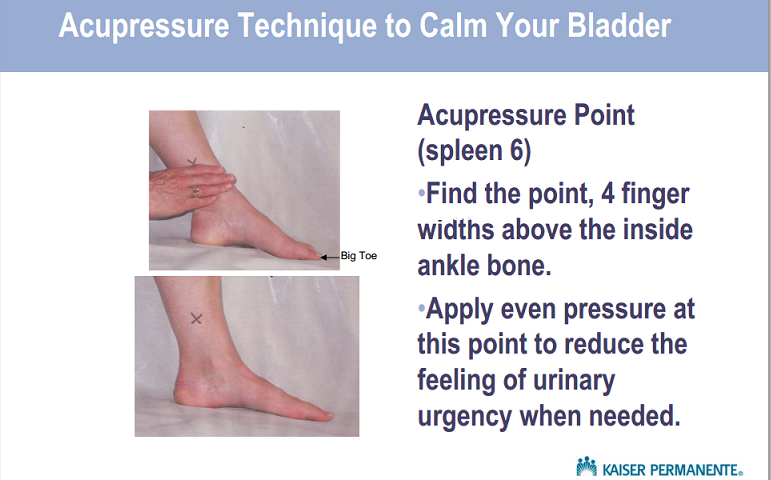
Here’s one of the main acupressure points for self help: acupressure for bladder

400-600mg of magnesium can sometimes have a calming enough effect to reduce bladder symptoms, and reducing caffeine and bladder retraining can also have a good effect. (4) Your best source of expertise on the bladder is your continence service nurse, and its a good idea to go back every couple of years to stay one step ahead of any bladder problems in MS.

What about nerve pain?

Luckily, there are other effective medications for distressing neuropathic pain in MS, the most commonly prescribed being Gabapentin, and its updated ( and more expensive) version, Pregabalin. Although there are, as with all drugs, possible side effects, the most common for Gabapentin being weight gain, they are not linked with the dangers to cognition that the anticholinergics are.

At the MS Therapy Centre, we are lucky to be able to offer APS Therapy, which has had a great result for many people, and the therapies Shiatsu and reflexology also have potential to help. So – if you find that you are regularly taking medication with an anticholinergic effect, have a think about the alternatives, and work with your GP to change your prescription, for a clearer head.

1) Clin Interv Aging. 2009; 4: 225–233. Published online 2009 Jun 9. PMCID: PMC2697587

The cognitive impact of anticholinergics: A clinical review

2)

Cumulative Use of Strong Anticholinergics and Incident DementiaA Prospective Cohort Study

Shelly L. Gray, PharmD, MS1; Melissa L. Anderson, MS2; Sascha Dublin, MD, PhD2,3; Joseph T. Hanlon, PharmD, MS4; Rebecca Hubbard, PhD2,5,6; Rod Walker, MS2; Onchee Yu, MS2; Paul K. Crane, MD, MPH7; Eric B. Larson, MD, MPH2,7
JAMA Intern Med. Published online January 26, 2015. doi:10.1001/jamainternmed.2014.7663
3)

4)     Hartmann KE, McPheeters ML, Biller DH, Ward RM et al. Treatment of Overactive Bladder in Women. Evidence Report/Technology Assessment No. 187. Rockville: Agency for Healthcare Research and Quality (AHRQ). August 2009. [Full text] [PubMed]

Fasting for MS & Auto-immune disease

Did you see this paper that came out over summer? http://www.sciencedaily.com/releases/2014/06/140605141507.htm

fasting

Explains how, in both laboratory mice and humans, fasting for 2-4 days at a time caused cells in the immune system to first be depleted, with damaged immune cells being destroyed,  being followed, once eating was re-introduced, by stem cell regeneration of new immune cells.

They liken the effect to ‘flipping a regenerative switch’, and the work has implications for people with auto-immune diseases aswell as those going through chemotherapy, or with lowered immune systems.

Wouldn’t it be great if those new immune cells were not programmmed to destroy the body’s own tissues?

Many ancient cultures and systems of medicine used fasting to treat illness, and there are in fact many benefits to intermittent ( obviously not starving yourself, but on & off) fasting, many of which you can read about in the popular book ‘ The Fast Diet’ by Micheal Mosely

I for one am not going to wait. I have found the benefits of intermittent fasting to be excellent since losing loads of weight on the Fast diet a couple of years ago, and I regularly don’t eat until night time. I don’t have an auto-immune disease, but my little 9 year old daughter does. Tonight I’m going to sit down with her and ask if, if I stay with her and we light the fire, get a duvet down, stack up the biggest pile of films and programs, and she can watch as much and as long as she likes, she would go for a 2 day fast to see what happens.

Watch this space.


Journal Reference:

  1. Chia-Wei Cheng, Gregor B. Adams, Laura Perin, Min Wei, Xiaoying Zhou, Ben S. Lam, Stefano Da Sacco, Mario Mirisola, David I. Quinn, Tanya B. Dorff, John J. Kopchick, Valter D. Longo. Prolonged Fasting Reduces IGF-1/PKA to Promote Hematopoietic-Stem-Cell-Based Regeneration and Reverse Immunosuppression. Cell Stem Cell, 2014; 14 (6): 810 DOI:10.1016/j.stem.2014.04.014
  2. Chia-Wei Cheng, Gregor B. Adams, Laura Perin, Min Wei, Xiaoying Zhou, Ben S. Lam, Stefano Da Sacco, Mario Mirisola, David I. Quinn, Tanya B. Dorff, John J. Kopchick, Valter D. Longo

    Prolonged Fasting Reduces IGF-1/PKA to Promote Hematopoietic-Stem-Cell-Based Regeneration and Reverse ImmunosuppressionCell Stem Cell, Volume 14, Issue 6, 5 June 2014, Pages 810-823

Functional medicine to heal auto-immune diseases

It’s another ‘lazy’ blog, re-blogging a great piece called ‘How to stop attacking yourself. 9 steps to heal automimmune disease’ by Dr. Mark Hyman. Brings together a lot of familiar themes; the gut, leaky gut and how to heal it, food intolerances, and calming inflammation.

How to Stop Attacking Yourself: 9 Steps to Heal Autoimmune Disease

When he talks about infectious agents, I agree, but I tend to use SOS-Advance as it blitzes most things without destroying your natural gut flora.

I hope that soon I’ll get a chance to write something fresh – I’ve been photographing my cooking, so expect a recipe section soon!

All the best

Miranda

Results of a one year pilot using APS Therapy for pain in MS

It’s out!! So proud of this, the report on our results for the first year of using APS Therapy at the MS Therapy Centre in Bedford.

Action Potential Simulation Therapy ( APS Therapy) for pain in people with MS; Report on a One Year Pilot Study.

Miranda Olding RGN MSCN, Denise Kehoe


Abstract

People with MS commonly suffer from both nociceptive and neuropathic pain, and the latter is often resistant to treatment, or hard to resolve due to the unwanted side-effects of most of the appropriate drugs.

We carried out a one year pilot using the electrotherapy device APS Therapy to treat pain in people with MS, at the voluntary sector multi-disciplinary MS Therapy Centre, in Bedford, UK.

An 8 week course of the therapy 3 times a week was offered initially, and 38 people used APS Therapy to treat 61 different pains.

Within  8 week periods, 28 people (76%) got beneficial reduction in pain. Of the 58 pains, 50 (86%) had a reduction of at least one point on the Visual analogue Scale (VAS) for pain. Of the pains that improved, 17 (30%) were reduced to pain free. The average reduction in points on the VAS was 4.7 points. 12 people reduced or discontinued medications as a direct result of the effects of APS Therapy;  with more structured review and supervision, we feel that this number could be higher, and have adjusted our practice accordingly.

Many participants reported improved sleep and enhanced energy, and the improved quality of life that this afforded.

Many of the participants who benefitted, especially those with chronic neuropathic pain, felt that they needed long term treatment, but were able to maintain the benefits sustained at a reduced frequency of treatment ( once a week or even fortnightly), and elected to carry on. We were able to offer this as an ongoing service.

Robust research on APS Therapy is scant, but based on the outstanding results of this pilot is a very promising area for further research and clinical treatment.

Introduction

The problem of pain in the UK

Pain is defined as ‘An unpleasant sensory and emotional experience associated with actual or potential tissue damage, or described in terms of such damage’ (1)

Chronic pain is defined as continuous, long-term pain of more than 12 weeks or after the time that healing would have been thought to have occurred in pain after trauma or surgery.( 2)

Almost eight million people in the UK have chronic pain, or an estimated one in 5 Europeans. (3) As well as the human suffering, it also represents a significant burden to wider society and economies.  Chronic pain accounts for 4.6 million GP appointments every year at a cost of £69 million. Expenditure is on referrals, appointments, prescribing, consequences of ineffective home prescribing and adverse events. (4)

Current medical treatment centres around medication, but drug treatments often cause unwanted side effects or other medical problems, and the costs of drugs for managing pain alone in England in 2009 amounted to £449 million. (5)

Access to pain management services in the UK is inconsistent and available health services for pain differ markedly in the type of care they offer.(6)

Although in some chronic pain clinics, TENs, acupuncture, physical, psychological techniques, invasive treatments, and complementary therapies are offered, availability varies widely, rates of successful pain resolution are low, and 38% of people with chronic pain report  inadequate pain management.(7,8, 9)


The problem of pain in MS

Estimates vary as to the proportion of people with MS who suffer from pain, with some reports suggesting that up to 80% of people with MS may suffer from pain at some stage. (10,11,12)

People with MS commonly suffer from both types of pain; both nociceptive (‘normal’ type, after injury or with inflammation) and neuropathic. Neuropathic pain is defined as ‘pain caused by a lesion or disease of the somatosensory nervous system’ (13) is often characterized as burning, severe shooting pains, and/or painful numbness or tingling. It is commonly a long term or chronic pain, and effective treatment is difficult as the classes of drugs to which it responds best are associated with various adverse effects. ( sedation and weight gain most commonly)  (14)

The aim of treatment is to minimise the level of pain and to develop coping strategies so that the individual can carry out normal day-to-day living. Treatment options include drugs and non-drug treatments such as physiotherapy, electrotherapy or a combination.

Electrical therapies

There are many modalities of electrical therapies currently in use within physical therapy for pain relief and injury repair, which have been categorised into 3 broad areas(15)

Electrical stimulation agents, including Transcutaneous Electrical Nerve stimulation (TENS), Action Potential Simulation Therapy (APS Therapy), Interferential Therapy (IFT), Functional Electrical Stimulation (FES), and Microcurrent therapy (MCT),

Thermal modalities,  including Infra red Irradiation (IFR), Therapeutic Ultrasound and Laser Therapy, and

Non Thermal Modalities including Pulsed Ultrasound, Pulsed Electromagnetic Fields (PEMFs) and Microcurrent Therapy (MCT)

The most commonly used form of electrotherapy in healthcare is TENS. This uses an alternating current to affect pain gate mechanisms. A Cochrane review concludes that ‘despite the widespread use of TENS machines, the analgesic effectiveness of TENS still remains uncertain’(16)

There are many studies demonstrating its’ usefulness, however, in my experience with MS it has only occasionally been effective for mild or moderate pain, but has been limited to the duration of treatment with the electrodes, or a one or two hour carryover at best.

We heard about some exceptional case studies carried out in Hull using the electro-therapy Action Potential Stimulation (APS)Therapy showing effectiveness in reducing both pain and fatigue; drastically reducing the medication used, and increasing mobility, independence and quality of life in people with MS(17) and decided to investigate.

 APS Therapy

 APS Therapy ( Action potential simulation therapy) is a type of micro-current therapy.

These therapies involves application of electric currents of similar form and magnitude to those produced naturally by the body and there is evidence that this can promote healing in a variety of damaged tissues. (18)

The APS Therapy device uses an electrical current that supposedly mimics the normal physiological action potential of nerve conduction.  The device is said to produce action potentials that are four times stronger than those naturally occurring in the neuron. When swelling, inflammation, poor circulation and pain occur due to mechanical, chemical or electrical disturbances, by stimulating the body’s natural regenerative processes (as in depolarisation), it is postulated that these conditions are encouraged to resolve. (19) See discussion.

Literature review for micro-current and APS Therapy

A literature review on over 70 papers on micro-current therapy in 2009 concluded that there was evidence for its use with non-uniting fractures, spinal fusions and a skin ulcers, particularly where other forms of treatment had not been successful; that In vitro studies also suggest that there is unexplored potential for its use in musculoskeletal disorders. However, higher quality and more comprehensive research is needed. (20)

An assessment of APS Therapy on 285 Patients with Chronic Pain in 2002 reported  a mean average VAPS was 6.8 before treatment and 3.3 after treatment in the over 50s, and 6.3 and 2.2 respectively in the under 50s.  Out of the 285 patients,44 (15%) ended with a ‘0’ VAPS and 199 (69%) with a score of 5 or less. (21)

A trial of APS Therapy in patients awaiting or having neurosurgery for intractable spinal pain concluded that the number of patients treated was too low to reach a statistical conclusion, but that the trend was very promising and they recommended that  patients waiting for destructive surgery should first be put on a thorough trial of APS Therapy.(22)

In a 1999 randomized, patient blinded, placebo-controlled study, on 76 patients with chronic osteoporotic back pain, reported pretreatment baseline VAPS value average of of 57.79, and post- treatment value after the sixth treatment of 9.7 (p= 0,0001); 6 patients maintained benefits 6 months post treatment.(23)

A study in 1999 on APS Therapy compared with TENS in 99 patients with osteoarthritis of the knee did not find a significant difference between the two treatment groups given just 6 treatments over a 2 week period. The authors did note, however, that the APS group showed a significant improvement in measures of knee flexion and swelling, which persisted even 1 month after the last treatment. (24)

Methods

Sample

People with MS who presented with pain in the MS Nurse’s clinic were screened for suitability and contra-indications, and offered the chance to trial the therapy. Pain due to spasticity/muscle spasm , or pain whose origin was uncertain, where more investigations were needed, were excluded.

Contra-indications include having a Pacemaker, epilepsy, pregnancy, or cancer, or in the past 3 months, stroke, heart attack, deep vein thrombosis or pulmonary embolus. One participant had a baclofen pump; after discussion with the manufacturers of both devices, this was allowed in this case. We also checked that participants felt able to drink the recommended litre and a half of water daily during therapy.

All the participants gave their informed consent to take part in the study; it was made clear that this was optional. 39 had MS, 3 did not. ( 2 were members of staff, and one a volunteer)

An 8 week course of APS Therapy, with 3 x sessions a week, comprising of 4, back to back 8 minute electrode placements, was offered, in a clinic room at the multi-disciplinary, voluntary sector MS Therapy Centre in Bedford, UK. We had first one, and then 2 APS Therapy clinic machines. People who could apply the electrodes themselves had one teaching session and then self-treated, with floating supervision from staff.

During the 8 week course, 6 people dropped out. One had vomiting and headache after 1st treatment, decided not to proceed. Detoxification reactions ( usually headache) are possible, although not common if drinking the recommended amount of water, and are self-limiting.  One experienced flickering in her vision and decided not to proceed. Although there is no documented precendent for this, and the cause was uncertain, electrotherapies can trigger migraine in susceptible people. Three people became unwell, two with existing other conditions and one with an MS relapse since starting treatment and either unable or decided not to proceed. One struggled to travel for treatment and felt discouraged after no benefit felt at 2& ½ weeks.

36 people in this study went on to use APS Therapy to treat 58 different pains.

25 of the pains were neuropathic, including 2 sciatic type pains, and 34 were nociceptive, including headaches, fibromyalgia type tender spots, backache, joint pain and arthritic type pain.

32 were women and 4 were men. The average age was 52 for women and 51 for men. 11 people had relapsing remitting MS, 22 had primary or secondary progressive, and 3 did not have MS.

We measured pain using the visual analogue pain scale (VAS), asking each participant to score for the average, or constant level of pain, and the worst level of pain, and how much of the time the pain was average, how much of the time worse. Medication use was recorded.

Results:


In  8 week periods;

Of the 36 people, 28 (78%) had reduction in pain.

Of the 58 pains, 50 (86%) had reduction.

Of the pains that improved, 17 pains  (30%) went down  to 0/10, or pain free.

pie - people whose pain improved

pie - pains that improved with APS Therapypie - pain free with APS Therapy


Reduction’ was quantified as 1 or more whole points on the VAS for pain. Neuropathic pains appeared to respond almost as well as nociceptive pains to the treatment12 people reduced or discontinued medication as a direct result of the results of the APS Therapy, on reflection, with more supervision, we feel that this could have been more.The mean pre-treatment score on the VAS for ‘Average level of pain’ overall was 5.56. Mean reduction in pain was 4.7 points, to a mean post-treatment VAS of 2.3.Average reduction for ‘worst pain’ scores was 4.1 points on the VAS scale.

APS Therapy results chart

Neuropathic pain

nb. in the charts below, a score of 0 or pain free, has been represented by a score of 0.01, in order to show up as a colour.

APS Therapy for neuropathic feet and leg pain

‘Average pain’ in the 14 cases of neuropathic feet and legs had a mean pre-treatment score of 6.3, which reduced by 3.8 points on the VAS on average to 2.5.

2 individual’s pain did not respond at all, 12 people experienced a benefit, and of these, 5 people went to pain free.

APS Therapy for worst pain, neuropathic feet and legs

‘Worst pain’ for neuropathic feet and legs was a pre treatment mean of 8.03, and reduced by 5.17 on the VAS on average, to a post treatment mean of 2.46, with 5 people at pain-free.

Combined ‘average’ and ‘worst’ pain scores gave a mean reduction of  4.5 points on the VAS.

Other neuropathic or nerve pain:

In neuropathic pain of the trunk, arms, hands and face, reduction in ‘average pain’ was a mean of less, at 2.5, but still had a reduction in ‘worst pain’ of 4.9 points on the VAS.

charts - APS Therapy for other neurogenic pains

APS Therapy - charts - Worst pain, other neurogenic

 Joint pain or injury

‘Average pain’ scores for joint pain or injury had a pre treatment mean of 5.1 and fell 2.9 points on the VAS to a mean of 2.2 . Actual results were quite polarised, with 4 people having no response, and 7 going  to pain free.

joint pain or injury results with APS Therapy

‘Worst pain’ for the 16  joint type pains had a pre treatment mean of 7.5 points on the VAS, and  fell by an average 4.9 points on the VAS to a mean of  2.6. 2 people’s worst pain did not respond, and 7 pains went to pain free.

APS Therapy for worst pain - joint pain or injury

 Headaches

People with headaches responded particularly well to APS Therapy; the reduction in ‘average pain’ as scored by the VAS was 4.7, but our data does not catch the reduced incidence in those still experiencing headaches.

APS Therapy for headaches chart

Back pain

‘Average pain’ for back pain had a response of 3.3  points reduction on the VAS on average; 2 people’s pain got worse, one was unchanged, 7 benefitted, and of these, 2 went to pain free.

APS Therapy for back pain in MS patients

Other pains

The remaining pains were 2 cases of muscle fatigue type pain and one pain from metalwork post pin and plate, which did not respond, and 1 psoriasis pain and 1 varicose vein pain, both of which did benefit.

APS therapy charts other pains

‘Other benefits’

For this report, we have not managed to keep accurate data about other benefits reported  during APS Therapy treatment. These have been: 4 cases of significant improvement in energy/reduction in MS fatigue, 2 cases of significant reduction swollen legs and ankles, 1 report of improvement in skin discolouration due to poor circulation, reduction in size of ‘fatty lump’ on hip, swollen gland in neck, and fluid under the skin on the scalp, 2 cases of alleviation of life-long insomnia, and many reports of improvement in sleep quality. 2 people reported no further urinary tract infections, which had been recurrent, and which they attributed to the APS Therapy, and 1; reduction in dizziness and improvement in cognitive function, which again they attributed to the therapy, and reported as a post-treatment effect.

We have identified reliable and valid outcome measures that we will be using for future clinical governance to measure sleep quality and energy levels, and the effect of pain on everyday life and mood.

Discussion

One of our concerns when starting this project was that people might benefit, but need long term therapy, which we would not be able to offer long term. We hoped to be able to use the NHS one-off personal budgets to allow people to purchase their own machine if necessary, but the scheme was only available for people on continuing health funding in our area. In actual fact, we found that although we did have a group of people who needed to maintain therapy to maintain the benefit; but they were able to reduce the frequency of their treatment to once a week, or in one case once fortnightly, and still retain the effect, and a such we have been able to continue to provide a service for these people.

We did not have research funding for this study, there was no control group, and many variables. Our sample, as typical in MS, often had to cancel appointments due to health problems, transport or general difficulties, but still achieved a remarkable result.

It was interesting to note that effectiveness was similar between the neuropathic and nociceptive type pains when using APS Therapy.

The mode of action is not fully understood, but injury or disease can cause oedema, inflammation, neuronal dysfunction, circulatory disturbance and lack of oxygen supply to the tissues or organ systems. Inflammation in tissue also promotes the build-up of chemicals, known as the “inflammatory soup” which may  interfere with neural transmission.

If there is poor transmission or even cessation of activity along the neurone, as a result of injury, inflammation, or disease process, the system cannot conduct its action potentials, and the homeostatic and regenerative mechanisms are disturbed.

It has been postulated by Papendorp (25) that  introducing external action potentials through the use of APS Therapy may result in the metabolic catabolism  and subsequent excretion from the body of inflammatory substances. As inflammatory metabolites may be a major cause of pain, removing the cause allows for pain reduction. Circulation is also improved  and thus antibodies, enzymes, neurotransmitters and hormones are conveyed at an increased rate to the treated area, stimulating the body’s own healing mechanisms.

Conclusion

APS Therapy seemed to be a safe and effective therapy to try in cases of both neuropathic and nociceptive pain. Participants in this study, most of whom had MS, achieved positive results using APS Therapy in 76% of cases. The therapy was safe, and in the main, people were extremely happy with mode of treatment, preferring it to drug therapy, and in some cases reducing and discontinuing analgesic drugs as a result.

We hope that by presenting our pilot study of an APS Therapy service in the context of available research on the subject, we can stimulate further clinical use and research.


References

1) H. Merskey and N. Bogduk, Eds,.Classification of Chronic Pain, Second Edition, IASP Task Force on Taxonomy, IASP Press, Seattle, 1994.

2) British Pain society 2014 For media, FAQs http://www.britishpainsociety.org/media_faq.htm ( accessed 3/2/2014)

3) Breivik H, Collett B, et al. Survey of chronic pain in Europe: prevalence, impact on daily life, and treatment. Eur J Pain 2006 10( 4):pp 287-333

4) Belsey J. Primary care workload in the management of chronic pain: A retrospective cohort study using a GP database to identify resource implications for UK primary care. Journal of Medical Economics 2002 . 5, (1-4) pp 39-50

5) NHS Information Centre. Prescription Cost Analysis for England 2009. Available at: http://www.ic.nhs.uk

6) Harris M, Spence A, et al. (2000) Clinical Standards Advisory Group (CSAG): Services for patients with pain

7) Breaking through the Barrier’, Chief Medical Officer 2008 Annual Report, March 2000

8) InSites Consulting. Pain Proposal Patient and PCP Surveys. July – September 2010

9)Collett, B. Betteridge, N., Semmons, I , Trueman, P. Pain Proposal, Improving the current and future management of chronic pain 2010 http://www.arthritiscare.org.uk/…/main…/PainProposalUKSnapshotFinal.pdf

10)  Ehde DM, et al.The scope and nature of pain in persons with multiple sclerosis. Multiple Sclerosis 2006;12(5):pp 629-638.

11) Hirsh AT, et al. Prevalence and impact of pain in multiple sclerosis: physical and psychologic contributors. Archives of Physical Medicine and Rehabilitation 2009;90(4):pp 646-651.

12) Archibald CJ, et al.Pain prevalence, severity and impact in a clinic sample of multiple sclerosis patients. Pain 1994;58(1):89-93.

13) International Association for the Study of Pain,  2011 http://www.iasp-pain.org/AM/Template.cfm?Section=Pain_Definitions (Accessed 3/2/2014)

14) Neuropathic pain – pharmacological management: the pharmacological management of neuropathic pain in adults in non-specialist settings. National Institute for Clinical Excellence November 2013

15) Watson, T. Narrative Review : Key concepts with electrophysical agents Physical Therapy Reviews 2010. 15(4): 351-359.

16) Cochrane Database Syst Rev. 2008 Jul 16;(3)

17) Van der Plaat, L. unpublished case studies using APS Therapy on people with MS in a day hospice setting. 2013

18) Berger P. Electrical pain modulation for the chronic pain patient.  South African Journal of Anaesthesiologyand Analgesia. 1999;5:14-19.

19) Van Papendorp DH, Kruger MC, Maritz C, Dippenaar NG.

Medical Hypotheses- 2002 Elsevier

20) Watson, T. Narrative Review : Key concepts with electrophysical agents Physical Therapy Reviews 2010. 15(4): 351-359.

21) Papendorp DH van. (2002). Assessment of Pain Relief on 285 patients with chronic pain. Biomedical Research 2002; 26: 249-253.

22) Du Preez, J. Neurosurgical Pain Conditions University of Pretoria

23) Odendaal & Joubert APS Therapy- a new way of teating chronic backabacke, a pilot study South African Journal of Anaesthesiology and Analgesia.1999; 5 1

24) Berger, P. Matzner, L Study on 99 patients with osteoarthritis (OA) of the knee to investigate the effectiveness of low frequency electrical currents on mobility and pain: Action Potential Simulation therapy (APS) current compared with transcutaneous electrical nerve stimulation (TENS) and placebo.South Africa Journal of Anaesthesiology and Analgesia

1999 5: 2

25) ) Papendorp DH van. (2002). Assessment of Pain Relief on 285 patients with chronic pain. Biomedical Research 2002; 26: 249-253.

 HOPE YOU LIKE IT!

8 things I’d do if I got diagnosed with MS

to-do-list DOING NOTHING IS NOT AN OPTION!! MS can have a very serious impact on your future quality of life. All measures you can take to stay well, have the most impact when they are done early on, and stuck to consistently. Nobody knows what causes MS; but it’s agreed that genetic susceptibility can combine with environmental factors to trigger the auto-immune confusion that causes the body to attack it’s own myelin.

As far as the disease process goes, It’s widely believed that the early inflammation causes damage, which causes later degeneration, but we now know that degeneration is also a factor right from the start. However, there is a lot you can do to combat both inflammation and degeneration, both with medical treatment and your lifestyle & nutrition. Having worked as an MS specialist nurse for about 13 years now, here’s what I’d do if I got a diagnosis of MS:

1) ADDRESS INFLAMMATION & DEGENERATION WITH DIET &LIFESTYLE. Get George Jelinek’s book ,’Overcoming MS’ and follow all the dietary and lifestyle recommendations to the letter. This involves

Plant based whole food diet                                                                                      High dose vitamin D3                                                                                                  20g omega 3 oil                                                                                                        Exercise                                                                                                              Sunshine                                                                                                                Meditation

I consider this to be a rock solid foundation for good health, whether you have MS or not. It’s also so great to keep hearing individuals stories of improvement, even with long-standing and progressive MS, following this approach, and both Jelinek’s, and more and more research on diet and disease backs up this evidence based approach. See www.overcomingms.org

2) Find out about your options re drugs. I am not going to be talking about diseases modifying treatment (‘DMT’) choices here, only broad concepts.

MS drugs aim to stop or reduce  inflammation, manifested as relapses, in the hope that this will prevent the degeneration. See the infographic in my Alemtuzemab about the relationship between safety and efficiency of the various treatments available.

An important point to consider is that some of these more effective drugs are ‘second line’ treatments, which means they are only available to you on the NHS if you have already tried the standard drugs. There are also sometimes drug trials recruiting, where you can access a drug as part of an experimental trial. (see other posts) There is a link on the MS Society website to find out what trials are ongoing and how to get involved in a trial.

MS drug treatment is a fast changing topic and you need to have a serious discussion  with your MS Nurse and/or neurologist to find out what you are eligible for, and then read round the subject and discuss to make an informed choice.

Make sure the information you use to make your decision is as objective as possible, and not coming directly from the companies making the drug. www.msdecisions.org is a decision making tool that’s been put together by the MS Trust, the MS Society, the UK MS Specialist Nurses Association and the Department of Health, so its’ as objective as you are likely to find.

Last important point: The earlier in the disease process that a drug is used, the more effective it is likely to be.

3) Some – not all – but some, people with otherwise unexplained medical conditions, have an underlying food intolerance, and you can be completely unaware of the problem. If you do have an intolerance, for example, to gluten, then every time you eat that food, you set up a chain of inflammation in the body, which can certainly exacerbate any auto immune condition.  For that reason, I, personally, would also want to identify food intolerances. Finger prick blood tests are available online from companies like York labs and Lorisian. There’s a lot of controversy about them, and they have been found sometimes to be unreliable, with a tendency to just show up with whatever you’ve eaten recently. Another way is to spend some weeks doing s ‘exclusion diet’, to see if you can find any cuplprits. Here’s one example: https://avivaromm.com/elimination-diet/ . The difficulty here is that MS is a condition with ups and downs anyway, so it’snot necessarily going to be clear.

However, in my experience, when people who have a food intolerance identify and avoid that food, they get a lot better all round, so its worth doing.

4) Gut health There’s a growing understanding about how problems with the integrity of the gut wall,  (the tight junctions that prevent the wrong molecules passing through into the bloodstream, triggering this type of food intolerance) and the right mix of bacteria in the gut, can contribute to auto-immune diseases. This is a huge topic – search ‘heal your gut’ or similar. There are various ways to do this, by avoiding food intolerances, using supplements like the protein L-glutamine, various products to kill off any overgrowth of yeasts etc ( as in step 5) and probiotics.

Then, hopefully, your exclusions don’t have to be forever.


5) Consider a clear out. Environmental factors combining with genetic susceptibility is what is thought to trigger MS , and as we are still unsure exactly what those environmental factors are,  there is still a lot of interest and research going on into the role of viruses etc in MS. Even if this turns out to have nothing to do with the cause of MS, any inflammatory condition will be worsened by an overload of any organisms that should not be there, whether they are yeasts, bacteria, virus, or parasites. People who are concerned that they may have an overgrowth of yeast, wrong gut bacteria, etc may want have a ‘clear out’ by doing a  3 month ‘detox’ with a strong natural detox agent. I like something called SOS-Advance, which is a colloidal suspension of strong anti bacterial, anti viral, anti parasitic plant oils like oregano, neem etc, but there are plenty of other herbal ‘de-tox’ products. Be aware, before starting any detox product, that it’s possible to feel really grotty for up to a week at first, if you have a ‘die-off’ reaction. If this happens, drink more water, rest, make your diet light and fresh, treat any constipation, and shower/bathe frequently.

6) Eat Really good Food – it’s not all about avoiding stuff-  food has so much power to affect the cells of our bodies for brain and nervous system health, so read up on a wholesome plant based diet, and ‘eat the rainbow’, especially dark green leafy veg.

7) Becoming more resilient to stress. Super important. We know that unmanaged stress causes and inflammatory cascade in the body, and there’s enough research to identify it, along with infection, as a trigger for MS relapses. There’s load of research now on the power of meditation, mindfulness, and relaxation. Personally, and especially if you struggle to fit meditation or deep relaxation into your day, I like the HeartMath technique, where you learn to synchronise your heart rate variability, and get feedback as to how you’re doing. In my clinics, I use the desktop teaching program, and send people away with the simple technique to do regularly, but you can now purchase an app version, available from itunes: https://store.heartmath.com/innerbalance

8)Read up on intermittent fasting, even if it’s just to use if and when you’re aware that you have inflammation or relapse going on.

So, TO SUMMARISE, and adding the Jelinek/Overcomingms recommendations:

AVOID:

  • saturated fat ( meat & dairy, coconut & palm oil)
  • other fats in processed food
  • unmanaged stress
  • physical inacitivty (as much as possible)
  • foods which you test intolerant to
  • smoking
  • eating too many calories for your needs

TAKE:

  • a plant-based, whole food diet
  • eating a ‘rainbow’ with special focus on dark green!
  • high dose vitamin D3, keeping blood levels around 150nmol/litre
  • 20g omega 3 – 2 dessert spoons of cold pressed flax seed/linseed oil fulfils this
  • probiotics
  • Any appropriate MS treatment drug
  • meditation/deep relaxation 30 mins daily to improve resilience to stress, or regular Heartmath technique.
  • as vigorous as possible exercise 30 mins, at least 3-4 x a week, outside if poss
  • the sun – as close to all over as poss, 10-15 minutes when possible
  • Lipoic acid 1,200mg – see this post

and take courage – many people with MS go on to live healthy lives well into old age. I would encourage you to do these actions to help you to be one of these. 🙂