Stopping Brain shrinkage, new research on statins in MS, MS Trust Annual conference 2013

mstrust annual conference 2013I’m Warwickshire at the MS Trust annual conference! Most impactful new learning so far?
Ok, soon to be published research by Jeremy Chattaway on the use of statins in progressive MS to reduce brain shrinkage.Everybody’s brain shrinks! by 0.2% a year. But for people with MS, the average is 0.6% a year.

This was a phase II trial of Simvastatin, a commonly used drug fro cholesterol ( that’s right, it reduces fat in the bloodstream). It also has ‘profound immunological effects’ and can cross the blood brain barrier ( ie get into the brain)

10-12 years ago this was trialled in relapsing remitting MS, but did not become an accepted treatment. Because secondary progressive MS also has features of inflammation, though in a more slow burning sort of way, it was decided to trial it, at 80mg daily. That’s a high dose, double what a lot of people with high cholesterol might take.

140 people were randomised to take this or a placebo. after 7 years, brain shrinkage in the group taking the drug had halved to 0.3% ( almost the normal rate).

Now I really hate putting my hand up to ask questions at these dos, because it’s really scary, you have to use a mike, everyone looks at you, and some neurologists are very dismissive and make you feel like an idiot in front of all your peers…. but I had to ask

” Do you have any idea what the mode of action is for simvastatin, and is it associated with reduction in saturated fat in the bloodstream, or not?”

With great releif, that was replied with ” Very good question!” .. and the answer that they really don’t know. Could it be “microvascular? a protective effect? or to do with cholesterol? All of this is discussed in the paper, which will be out soon!”

Phew. I hope someone will appreciate my sweat and blushes.

Also in Dr. Chattaway’s presentation was the new research recruiting now for people with 2ndary progressive MS, which I already shared in the post on MS Smart.

Additional understanding for me was the process they did of trawling 30,000 existing drugs that could possibly have form in protecting brain volume or nerves, to come up with the 3 most promising –

  1. Ibudolast, a Japanese asthma drug, which reduced the rate of brain atrophy in people taking it for asthma
  2. Riluzole – a drug that people with Motor Neurone Disease have already been taking for some years which showed that it reduced shrinkage of the spinal cord ( showing that it reduced loss of neurones, and
  3. Amiloride – a well known blood pressure drug in the UK, which blocks calcium channels in the brain, and reduces brain shrinkage.

People who enlist in the research to find out if any of these agents can protect the brain from axonal ( neuronal) loss, and thereby slow or halt progression, will be put on either one of these drugs, or a placebo ( dummy drug) for 2 years, and followed up with the usual clinical assessments, plus about 3 MRIs. There will be centres all over the UK so that you don’t have to travel too far.

Right. Now I’m off to get ready for the fancy dress gala dinner, subject, favourite childhood character. anyone else remember Pippi Longstocking? And later, i will be able to have a bath, with Nobody interrupting me!! More info, plus Photos( but not of the bath) later!

Check out ‘what healthy poo should look like’ ( bottom haha left hand corner)

Nurse’s favourite picture of course.

I love this place. Have started using their oil, will be exploring flax seed butter asap…

Linseed a Natural Remedy for IBS, Constipation, Diverticulitis and Detox | Flax Farm.

Diet in Auto-immune disease

11.coverHow come other auto-immune diseases get articles like this in medical journals??

Even though this is about rheumatoid arthritis, it’s well worth reading if you have MS.

It confirms many things I’ve said here before. It is technical, and hard going but – scan it, and get the gist. For me, the low sat. fat diet is a cornerstone in MS, as per http://www.overcomingms.org. but I’m getting to think that individual intolerances can be wreaking havoc in some people, too. You read a lot of good discussions like this in natural health experts, but never in the medical literature for MS.

enjoy!  Reproduced from:

http://rheumatology.oxfordjournals.org/Diet therapy for the patient with rheumatoid arthritis?

In spite of the great advances that have been made in the development of new drugs for the treatment of rheumatoid arthritis (RA), many patients are interested in alternative treatments like dietary therapy. Although relatively few studies have been carried out on the possible impact of dietary therapy on disease activity in RA, interest in this matter is growing as our understanding of disease pathology and the effect of nutrients on immunity and inflammation increases.

Most clinical dietary therapy studies undertaken so far have focused on some form of dietary elimination. Scandinavian health farms have long promoted fasting and vegetarian diets for patients with rheumatic diseases.

In 1979 and 1983, Sköldstam et al. [12] carried out two studies to verify whether diet therapy could alleviate disease activity and symptoms in patients with RA. In one study, 16 RA patients fasted for 7–10 days and followed a lactovegetarian diet for the subsequent 9 weeks. There was a significant improvement in both objective and subjective disease symptoms during the fasting period, followed by rapid deterioration when the patients began on the lactovegetarian diet.

In the second study, 20 patients with RA completed a 7- to 10-day fast, followed by 3 months on a vegan diet (a diet without meat, fish or dairy products). Physician’s general assessment revealed that 11 patients had undergone subjective improvement, seven were unchanged and two were worse after the study period than before. Nineteen patients had lost weight and no improvement was seen in objective variables like erythrocyte sedimentation rate (ESR) and C-reactive protein during the dietary period. However, 5 (25%) of the patients showed both objective and subjective improvement. Several patients complained about the diet and only two patients had continued with a strict vegetarian diet after the study period. This confirms that many patients experience difficulty in implementing strict dietary changes.

In 1983, Panush et al. [3] conducted a study of the then popular Dong diet (which eliminated dairy products, red meat, citrus fruits, tomatoes, alcohol and coffee). This was an elegantly performed clinical dietary study with a double-blind, placebo-controlled design. Twenty-six patients took part, 11 on the experimental diet and 15 on a control diet. Although there was no statistical difference between the experimental and placebo diet groups, two patients in the experimental group improved noticeably. One patient experienced disease exacerbation after eating dairy products and the other after eating meat, spices and alcoholic beverages.

In 1986, Darlington et al. [4] published the results of a single-blinded, placebo-controlled study of 6 weeks of dietary manipulation in 53 patients with RA. During the first week, the patients were only allowed to eat foods they were unlikely to be intolerant to. In the article, it is not stated which food items these were. Other food items were then reintroduced one at a time to see whether any symptoms were elicited by the dietary challenge. Foods producing symptoms were then excluded from the diet. Both objective and subjective variables improved significantly, and a subgroup of 33 patients were graded as good responders. However, the patients were only observed for 6 weeks, which is a weakness in a study undertaken on patients with a chronic disease.

In 1991, we published the results of a single-blinded controlled clinical trial testing the effect on disease activity in patients with RA of dietary elimination combined with the vegetarian diet traditionally practised on Scandinavian health farms [5]. Fifty-seven patients took part in the study, 27 in the diet group and 26 in the control group. The patients were followed for 13 months, making this by far the most comprehensive study undertaken with regard to dietary therapy in RA.

We found statistically significant improvement in both objective and subjective disease variables in the diet group compared with the control group. Twelve patients (44%) in the diet group were responders, according to the Paulus criteria, compared with 2 (8%) in the control group [6]. Ten patients (37%) in the diet group reported aggravation of symptoms after reintake of one or more food items. Eight of these belonged to the responder group.

After 2 yr, we conducted a follow-up study on the same patients and found that the responders had continued with the diet and still had a significant reduction in all clinical disease variables and ESR [7]. In this study, 13 patients (59%) in the diet group reported an increase in disease symptoms after intake of meat, and 10 patients (45%) after intake of sugar and coffee. Of the 10 responders examined in the follow-up study, eight reported an increase in disease symptoms after intake of different kinds of meat, and six after intake of coffee, sweets and refined sugar.

Fasting has been documented to have beneficial effects on both clinical and laboratory variables reflecting disease activity in RA [158]. It thus serves as a useful model for studying the biological changes associated with simultaneous improvement in disease activity. Previous studies in healthy subjects have revealed that fasting decreases mitogen- and antigen-induced lymphocyte proliferative responses [9], and suppresses interleukin-2 (IL-2) production [10]. We have recently shown that a 7 day fast in RA patients also decreases CD4+ lymphocyte activation and numbers, suggesting transient immunosuppression [11]. We also found an increase in IL-4 production from mitogen-stimulated peripheral blood cells. Thus, further studies should be carried out to clarify the immunomodulatory mechanism behind fasting.

Evidence suggesting that food allergy, defined as an immunological response to food antigens or to intestinal bacterial flora, might be involved in disease pathology in most patients with RA is weak. However, it is possible that an exogenous agent like a food antigen can initiate a pathological immune process in a genetically susceptible individual [12].

Food antigens, food antibodies and their complexes have been detected in the systemic circulation of healthy subjects [1314]. Animal models indicate that the gut is an important trigger of and pathway for the immune response. Encounters with complex proteins, like gluten and milk proteins, lead to either oral tolerance or sensitization and possible loss of self-tolerance to cross-reacting epitopes [15].

An association between a special food item and disease activity has been reported by patients with a variety of rheumatic diseases, such as palindromic rheumatism [1617], systemic lupus erythematosus [1819], Sjögren’s syndrome [20] and juvenile RA (JRA) [2122]. Case reports describing an association between diet and disease activity in RA include both seropositive and seronegative disease [2325]. Although the extent of food allergy involvement is still not known, it has been suggested that between 5 and 30% of patients with RA may be affected [2627].

We found an increase in humoral response in all patients with RA, with a general increase in IgG, IgA and IgM antibodies to various food antigens, like gluten and milk proteins. However, the elevated concentrations of specific immunoglobolins could not be used to predict which food items would aggravate the disease symptoms [28].

Wheat and other rough grain products can elicit an allergic T-cell response through their lectin structures. Lectins are glycoprotein molecules that bind to carbohydrate-specific receptors on lymphocytes with high affinity and thus elicit a significant immune response. Lentils and grain products have a particularly high lectin content. Lectins are fairly heat resistant; for example, lentils have to be cooked for a long time to inactivate the lectins.

While the results of a questionnaire-based survey revealed that 37–43% of patients with rheumatic diseases experienced an increase in disease symptoms after intake of certain food items, no difference could be found between the various diseases [29]. This suggests that diet may influence the inflammatory process in general and is not a specific feature of RA.

One of the mechanisms involved may be the release or secretion of vasoactive amines (bioactive amines) like histamine and serotonin [30]. Several of the food items reported to cause disease aggravation have a high histamine content, like pork and beef sausage, meat, tomato and spinach. Since no immunological response to pork and other meat has been demonstrated, a pharmacological response would explain the often reported increase in symptoms resulting from these foods [31]. Other foods like shellfish, strawberries, chocolate and fish can cause a release of histamine.

Citrus fruits, which contain other vasoactive amines (octopamine and phenylephrine), are often said to aggravate symptoms [30]. Consumption of both coffee and alcohol has been shown to liberate adrenaline and/or noradrenaline, which suggests that they have a pharmacological effect [3032]. Consumption of alcohol can also result in the release of histamine, and certain red wines have in addition a high concentration of histamine, which may explain the frequently reported intolerance.

A pharmacological reaction would also explain why the patients reported immediate reactions to these food items, as opposed to the more delayed reactions to dairy products and gluten. This may mean that a different mechanism is involved in symptom aggravation. The reported aggravation of symptoms after intake of refined sugar and sweets in patients with RA may have a metabolic explanation, such as an increased concentration of blood glucose due to impaired glucose handling [3335].

Gut involvement in the pathogenesis of rheumatic diseases was proposed by Rea Smith [36], who reported that surgical removal of intestinal segments with focal infection had a beneficial effect on disease activity. Monroe and Hall [37] reported differences in the stools of 142 patients with chronic arthritis as compared with controls. Månsson and Olhagen [38] found not only an abnormal faecal flora, with an increase inClostridium perfringens in patients with RA, systemic lupus erythematosus and psoriatic arthropathies compared with healthy controls, but also a higher level of alpha-antitoxin in the serum of these patients. Alpha-toxin (phospholipase-C) is produced by a special strain of C. perfringens often found in RA patients. Månsson and Olhagen [38] found a rise in alpha-antitoxin titre in 75% of the patients with RA in the study, but in none of the controls.

A significantly higher carriage rate of C. perfringens in patients with RA than in healthy controls has also been documented by Shinebaum et al.[39]. An altered intestinal bacterial flora has been reported in patients with seropositive erosive RA compared with patients with seronegative RA and controls [40]. An increased concentration of antibodies to Proteus has been described in patients with active RA [4142] and to Klebsiella in patients with ankylosing spondylitis [43]. Several of these reports have suggested that RA and ankylosing spondylitis could be mediated by cross-reactivity between self and bacterial antigens.

The intestinal bacterial flora is known to be affected by diet [4446], and it has been suggested that a diet which could alter the intestinal flora might have an effect on disease activity. This theory was supported by the finding that changes in disease activity correlated with alterations in the intestinal flora measured in patients who switched from an omnivorous to a vegetarian diet [47]. The effects of the intake of functional foods (i.e. food as medicine; in this case, food which promotes the growth of health-promoting bacteria in the intestine or food items that contain natural healthy intestinal bacteria) should be an interesting field for further research.

Much interest has been taken in recent years in the immunomodulatory effects of polyunsaturated fatty acids (PUFAs) and their therapeutic potential as anti-inflammatory agents [48]. Both clinical and in vitrostudies have established that long-chain n-3 and n-6 fatty acids inhibit T-lymphocyte function [4952].

Research suggests that manipulating the balance of dietary fatty acids in favour of increased n-3 fatty acids and decreased n-6 fatty acids may have a beneficial effect on disease activity in RA [495356]. These studies have shown that long-chain n-3 fatty acids can diminish peripheral blood mononuclear cell proliferation and reduce the production of IL-1, IL-2, IL-6, tumour necrosis factor alpha (TNF-α) and interferon gamma (IFN-γ). However, clinical studies on supplementation of ω-3 fatty acids have not supported the expectations raised by the laboratory findings [5357].

The balance between unsaturated and saturated fatty acids may also affect lymphocyte proliferation (in vitro) [58]. The practical implications of these observations for the in vivo situation are currently unclear, but suggest that a diet which is high in unsaturated fatty acids and very low in saturated fatty acids may have a stronger immunosuppressive effect than that obtained by only n-3 fatty acid supplementation.

In this respect, the Mediterranean diet, with a low content of red meat and a high content of olive oil, is of interest. Olive oil has been shown to reduce lymphocyte proliferation, natural killer cell activity, adhesion molecule expression on lymphocytes and the production of pro-inflammatory cytokines in animal models [59]. In an intervention study in which dietary saturated fatty acids were partly replaced by olive oil, mononuclear cell expression of ICAM-1 was found to be significantly reduced [60].

It has also been reported that a very low intake of saturated fats is beneficial in multiple sclerosis, where, as in RA, CD4+ lymphocytes are thought to play a pathogenic role [61]. It is thus worth investigating whether a diet low in saturated fats, with a high content of olive oil and with n-3 supplementation, could have immunosuppressive effects in vivoand could thus be of benefit in the treatment of RA.

The pathological hallmark of RA is persistent destructive inflammation in the synovial membranes of joints, which leads to a gradual destruction of the supporting structures of the joints, such as bone and cartilage. Although the aetiology is still unknown, the inflammation resulting from the immunological reaction is quite well described. It is known that neutrophil granulocytes, macrophages and lymphocytes are activated, and that oxygen free radicals are produced [62]. Hence, a low concentration of antioxidants may perpetuate tissue destruction in RA. Free oxygen radicals and oxidative stress may also be of importance for the aetiology and chronicity of the inflammatory rheumatic diseases [6364]. Two epidemiological studies have recently suggested that antioxidants may play a protective role [6566].

The most important antioxidants known today are vitamin A, vitamin E, vitamin C, beta-carotene, the bioflavonoids, zinc and selenium. The antioxidant properties of vitamin A and vitamin E lead to a reduction in the oxidation catalysed by free radicals [67]. Vitamin E functions as a physiological antioxidant for the cell membrane and is the most important fat-soluble antioxidant in the cell membrane lipids [6468]. Zinc plays a significant role in antioxidant protection and immunity because it is a constituent of the cytoplasmic enzyme superoxide dismutase [69]. Selenium, on the other hand, is part of the glutathione peroxidase enzyme, which can react with peroxides formed during inflammation. Beta-carotene is a fat-soluble, chain-breaking antioxidant and a quencher of singlet oxygen, and is known, along with alpha-tocopherol, to be the most important element of the non-enzymatic antioxidant defence in biological systems [7071].

Low serum concentrations of selenium and zinc in RA patients were reported as early as 1978 [72] and were further investigated by Tarp et al.[7375]. Mezes and Bartosiewicz [63] found reduced plasma vitamin A content in patients with RA. Honkanen et al. [76] found lower serum levels of vitamin A and E in patients than in healthy controls. Sklodowska et al.[64] found lower vitamin E concentrations in plasma in children with JRA than in controls. Studies have also shown reduced concentrations of zinc and selenium in children with JRA [7778].

The reduced serum concentrations of antioxidants found in patients with inflammatory rheumatic diseases do not appear to be a consequence of reduced dietary intake in these patient groups compared with healthy controls [7880]. They may, therefore, indicate a high turnover of antioxidants and an increased antioxidant requirement in these patients which is necessary in order to balance the higher production of free radicals.

Although studies of supplementation with a single antioxidant have not shown disease reduction in RA patients, it is still possible that patients with an inflammatory rheumatic disease will benefit from supplementation with a combination of several antioxidants or from a dietary intake that exceeds the recommended dietary allowances.

Studies of immunomodulation have revealed that nutrients other than food proteins and fats also have an impact. The effects of fatty acids, antioxidants and food proteins on immunomodulation need to be investigated further, and so should the question of the involvement of the gut in the aetiology and pathology of rheumatic diseases. More knowledge on the effects of dietary components upon immunological function is necessary if the potential use of dietary therapy as a tool in the treatment of RA is to be adequately assessed.

  1. 1.     M. Haugen
  2. 2.     D. Fraser and 
  3. 3.     Ø. Førre


‘More Oxygen Please, it’ll do wonders for my relapse’

Just spotted this is on the blog http://multiple-sclerosis-research.blogspot.co.uk/.  It’s research done on EAE – the experimental animal version of MS they induce in rats for research purposes.

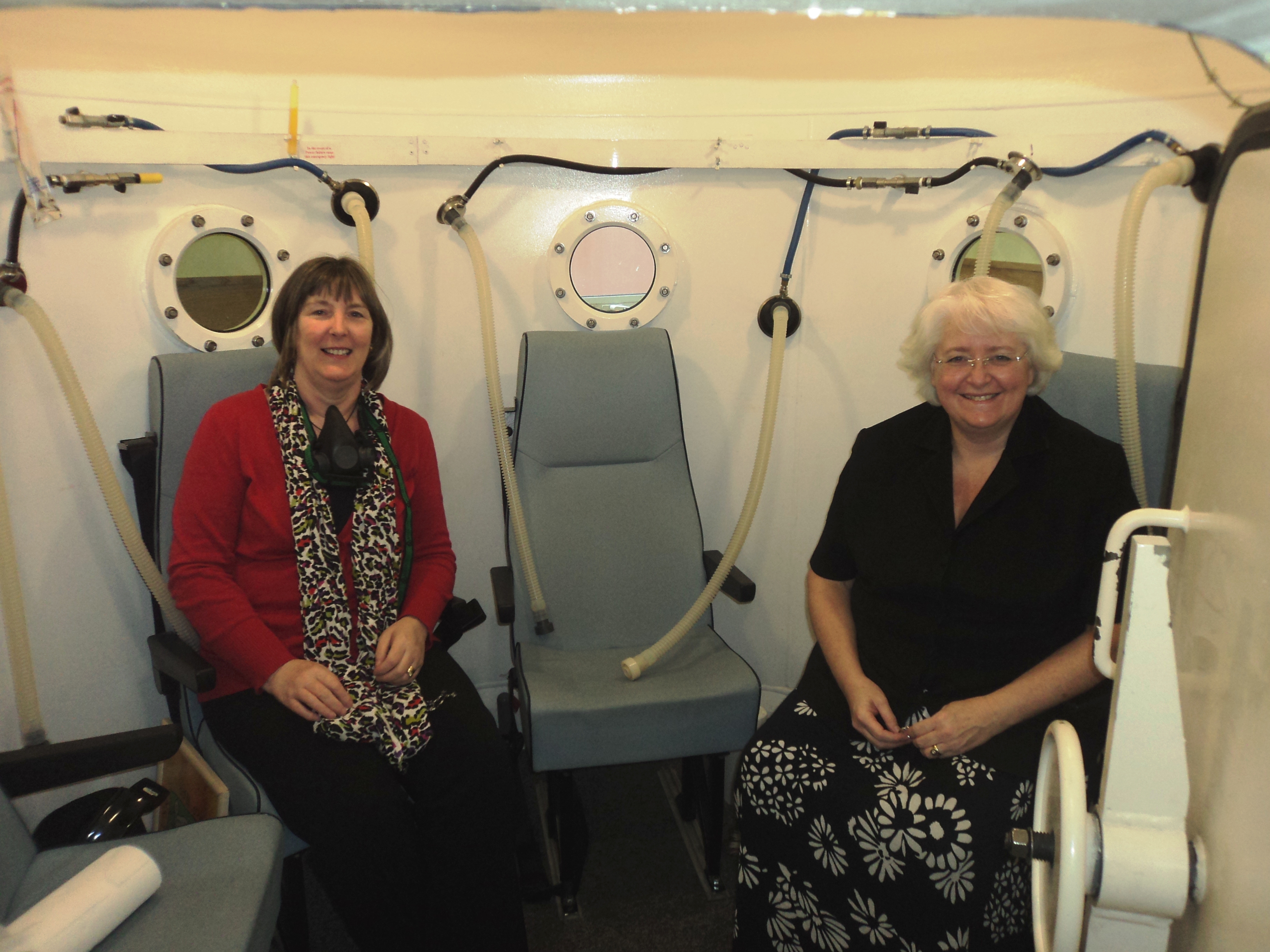
Here they used normobaric oxygen – presumably that’s just oxygen at normal pressure. In MS Therapy centres across the UK you can use hyperbaric oxygen ( oxygen given at pressure so that it permeates the tissues of the body more effectively), and many people feel a great benefit from it. I must dig out all the research that’s been done on it.

Here’s some people at the Bedford MS Therapy in the oxygen tank, and one of the volunteers manning the shiny knobs and buttons outside!

oxygen therapyhyperbaric oxygen therapy for MS

In terms of national guidelines, the research that’s been done in the past has not ‘cut the mustard’ to make hyperbaric oxygen a recommended clinical action. However, when you consider the practical and ethical difficulties of rounding up control groups ( who get fake oxygen), so that the research meets the standards required, it’s not surprising that this has not been managed.

More Oxygen Please, it’ll do wonders for my relapse

Posted: 18 Sep 2013 11:00 PM PDT

Davies AL, Desai RA, Bloomfield PS, McIntosh PR, Chapple KJ, Linington C, Fairless R, Diem R, Kasti M, Murphy MP, Smith KJ.
Neurological deficits caused by tissue hypoxia in neuroinflammatory disease. Ann Neurol. 2013 Aug. doi: 10.1002/ana.24006. [Epub ahead of print]

To explore the presence and consequences of tissue hypoxia in experimental autoimmune encephalomyelitis ((EAE), an animal model of multiple sclerosis (MS)).

METHODS: EAE was induced in Dark Agouti (DA) rats by immunization with recombinant myelin oligodendrocyte glycoprotein (rMOG) and adjuvant. Tissue hypoxia was assessed in vivo using two independent methods: an immunohistochemical probe administered intravenously, and insertion of a physical, oxygen-sensitive probe into the spinal cord. Indirect markers of tissue hypoxia (e.g. expression of hypoxia-inducible factor-1α (HIF-1α), vessel diameter and number) were also assessed. The effects of brief (one hour) and continued (7 days) normobaric oxygen treatment on function were evaluated in conjunction with other treatments, namely administration of a mitochondrially-targeted antioxidant (MitoQ) and inhibition of inducible nitric oxide synthase (1400W).

RESULTS: Observed neurological deficits were quantitatively, temporally and spatially correlated with spinal white and grey matter hypoxia. The tissue expression of HIF-1α also correlated with loss of function. Spinal microvessels became enlarged during the hypoxic period, and their number increased at relapse. Notably, oxygen administration significantly restored function within one hour, with improvement persisting at least one week with continuous oxygen treatment. MitoQ and 1400W also caused a small but significant improvement.

INTERPRETATION: We present chemical, physical, immunohistochemical and therapeutic evidence that functional deficits caused by neuroinflammation can arise from tissue hypoxia, consistent with an energy crisis in inflamed CNS tissue. The neurological deficit was closely correlated with spinal white and grey matter hypoxia. This realization may indicate new avenues for therapy of neuroinflammatory diseases such as MS.

Comment below is from the authors of the msresearch blog:
‘This study suggests that there is lack of oxygen in tissues during EAE, which has nothing to do with CCSVI, and if you give rats high amounts of oxygen they do better’

What if you’re doing everything right but you’re still getting relapses??

I was looking at the York test labs page today and noticed they have an offer on their Yes/No to immune response to foods product, until 7th Oct, so I thought I’d do a quick post on this subject…

You should know by now that I always recommend the Overcoming MS approach as the first thing to do if you even suspect MS…. along with weighing up the treatment options with your neurologist and doing whatever seems to be the right thing. But sometimes there’s more going on. If you have an undetected food intolerance, it can also play havoc with your immune system, causing inflammation on a large scale.

Food intolerances are often the result of a ‘leaky gut’ – the breakdown of the proper membrane of the gut wall, allowing undigested food molecules to pass into the blood stream, where they can be interpreted as intruders by the immune system.

Leaky gut can develop if the balance of bacteria in the gut is disturbed, and especially if yeasts proliferate, which can be the result of antibiotics, a poor diet and stress.

Food intolerances don’t have to be forever – sometimes just having a break from those foods, but also taking probiotics, digestive enzymes ( if appropriate) and preparations like slippery elm, can help to heal the gut again, so normal service can resume.

Here’s that the link to that offer, plus a copy & paste…

Food Intolerance Testing, Allergy Tests & Food Sensitivity Testing | YorkTest.

FirstStep Test

The YorkTest FirstStep Test quickly determines whether IgG antibody reactions to foods and drinks are detected in your blood or not.

If you get a positive result then purchase the FoodScan Programme (£245†), Food&DrinkScan Programme (£289†) or IBS Diet Programme (£289†) to discover what foods you have reacted to.

If you get a negative result then you do not have food-specific IgG reactions present and therefore no further testing is required.

Key benefits
  • Laboratory analysed yes/no test for IgG antibody reactions to foods.
  • Simple finger-prick home blood test that you post back to our laboratory.
  • If positive, you can choose to pay to progress onto one of our comprehensive programmes.
  • Price £9.99 Usual Price £19.99
    (offer ends 7th Oct 2013)

20 Scientific Reasons to Start Meditating Today | Psychology Today

Lazy blog today! 20 Scientific Reasons to Start Meditating Today | Psychology Today.

Drug trials in secondary progressive MS

Nice to see some drug trials for secondary progressive MS. These are to see if these agents might be ‘ neuro-protective’ – ie, help to save nerve cells, in progressive MS. All drugs have potential side-effects, but amiloride is a fairly old, well known drug that’s been used for a long time for people with a heart condition.

Here’s the web page. Obviously, you need to get really well-informed, and have a very serious discussion about the pros and cons of the treatment and being on a trial, but here’s the website if you’re interested.

University college london University of Edinburgh Edinburgh Clinical Trials Unit Multiple Sclerosis Society National Institute for Health Research


Overcoming MS retreat, July 2013

Hello! the madness of the summer is over (which I thoroughly enjoyed!) and at last I manage to blog about this amazing experience.

So in July, I attended the first UK retreat run by the Overcoming MS UK (OMS) organisation,  (now a registered UK charity), who allowed me to go so that I can hopefully help them to run workshops etc in the UK, to help people with MS understand the effects of diet and lifestyle modification on MS.george Jelinek et al, breakfast OMS meeting

From left to right, this is Linda Bloom, patron & founder of OMS UK, who has MS herself and is very well, Sandra Neate, Prof Jelinek’s wife, an emergency medicine consultant in Australia, Professor Jelinek, professor of emergency medicine and author & founder of Overcoming MS ( & very fit & well with MS), Gary McMahon , head of OMS UK, all round top bloke, with a business management background, but utterly committed to health, having helped his wife recover form serious illness using dietary & lifestyle measures, Dr Craig Hassed, an Australian GP and  medical  university lecturer, author & international speaker on mindfulness, and me.

What did I expect?

Well, I expected that I’d already know it all ( how arrogant!) …. I expected that I’d enjoy meeting the Professor and crew, but might shy away from too much socialising, not wanting to feel different as an MS nurse…. I expected I’d be bored in the evenings and took lots of work to do…. and that I might get a bit hungry on the fully vegan diet provided, and took a big loaf of bread for my bedroom… and I expected that 90% of the focus would be on diet & supplements, with a sliver of meditation thrown in for good measure….

What actually happened?

a) I didn’t know it all… & I’ll share my new understandings here,                                             b) I enjoyed meeting every person on the retreat, was inspired by the company of so many intelligent, stimulating individuals and couples who dare to think differently and think for themselves,  had a lot of fun, was never once bored, never did any work (!), and am actively staying in touch with the group via an email group because I want to!                     c) Was absolutely stuffed, because  the food was tasty, vibrant, delicious and really ‘stuck to your ribs’.                                                                                                                             d) I got my focus back through meditation, and realised how powerful the effects of even a boring daily grind of meditation that you don’t even want to do can be !!

for this, it helped having a little cell, with no TV or internet connection….

launde abbey

So, first impressions happened the evening before the retreat, when I went out for a meal with the OMS staff/trainers. Firstly, the Professor is seriously fit and healthy looking, and runs or swims daily more than I do in a week ( if not 2), and comes across as genuinely lovely, thoughtful, intelligent, educated, and kind person. He is obviously ably supported by his wife Sandra, who shares his qualities, diet & lifestyle, and took on the sessions about the structure & role of different fats.

Prof Jelinek & his wife Sandra


During the meal, in conversation, the Professor talked about how he would like to slow down his international work running the retreats ( he does already have his full time academic medical work), and I felt honoured to hear him relate this personal anecdote, with some emotion:

He said that he had recently experienced a relaxation of the drive to always be working to get his message out there, and that it had caused him to wonder and reflect. For some reason his age suddenly became very meaningful to him, but he couldn’t work out why — until he suddenly realised that he had now passed the age that his mother had been when she died, severely affected by MS (she took her own life). And so somehow, he had ‘made it’ , and proved to himself the value of the work he’s been doing all these years.

I’m not going to re-iterate all the points of the OMS approach here, as I’ve talked about it many times, and its all available for free on http://www.overcomingMS.org , there’s the books, and also a forum on the website where people can discuss points; I’m just going to go into some of the things I hadn’t quite nailed.

We sat in a circle around the outside of a large room, or on beanbags in the middle, and there were about 40 people. Most people had come with their partner, and some on their own. Teaching was very good quality, and we had lots of time to ask questions and discuss fine points.

prof jelinek teaching UK retreatHere’s the Prof teaching, and Linda in mid leap… she & Gary had organised and were running the show, she had her new baby in attendance, and during the week was constantly jumping up and physically running, fetching, carrying, leaping over boxes & beanbags, & looking radiant throughout.

Flax seed oil – in the most recent research carried out by OMS ,taking this trumped fish oil for having reduced disease activity. The best amount and way to take it is 2 dessert spoons drizzled over food ( or used to dip bread or in salad dressing) daily, and apparently, the best tasting is from http://www.flaxfarm.co.uk  I just got some, and can confirm, it looks like sunshine and tastes… nutty but fine. Going to see if I can get a discount for Bedford MS Therapy Centre….

Meditation

I’m no stranger to meditiation, having taken it up in my 20s, however, life had started getting on top of me, and when I attended the retreat, I was pretty stressed.

I was taken aback by the serious focus on meditation – every day, we started and finished the session with a half hour mindfulness meditation, led by Craig Hassed. I also did some of my meditation again in my room on a morning. It was hard! It is hard! But it is real – it has real, measurable mental and physical health benefits, and it’s worth doing every single day. By the end of the week I felt that I had met my real self again, and I was OK. Meditation  deserves a post of its own, which I’ll do some time, but for now, here’s some links to give a taste of the sort of thing we were doing. Scroll down to guided meditations, mindfulness meditation (1,2 or 3) with Craig Hassed.

http://www.calm.auckland.ac.nz/18.html 

It’s school run time!  but to stop this being delayed any further – TO BE CONTINUED!

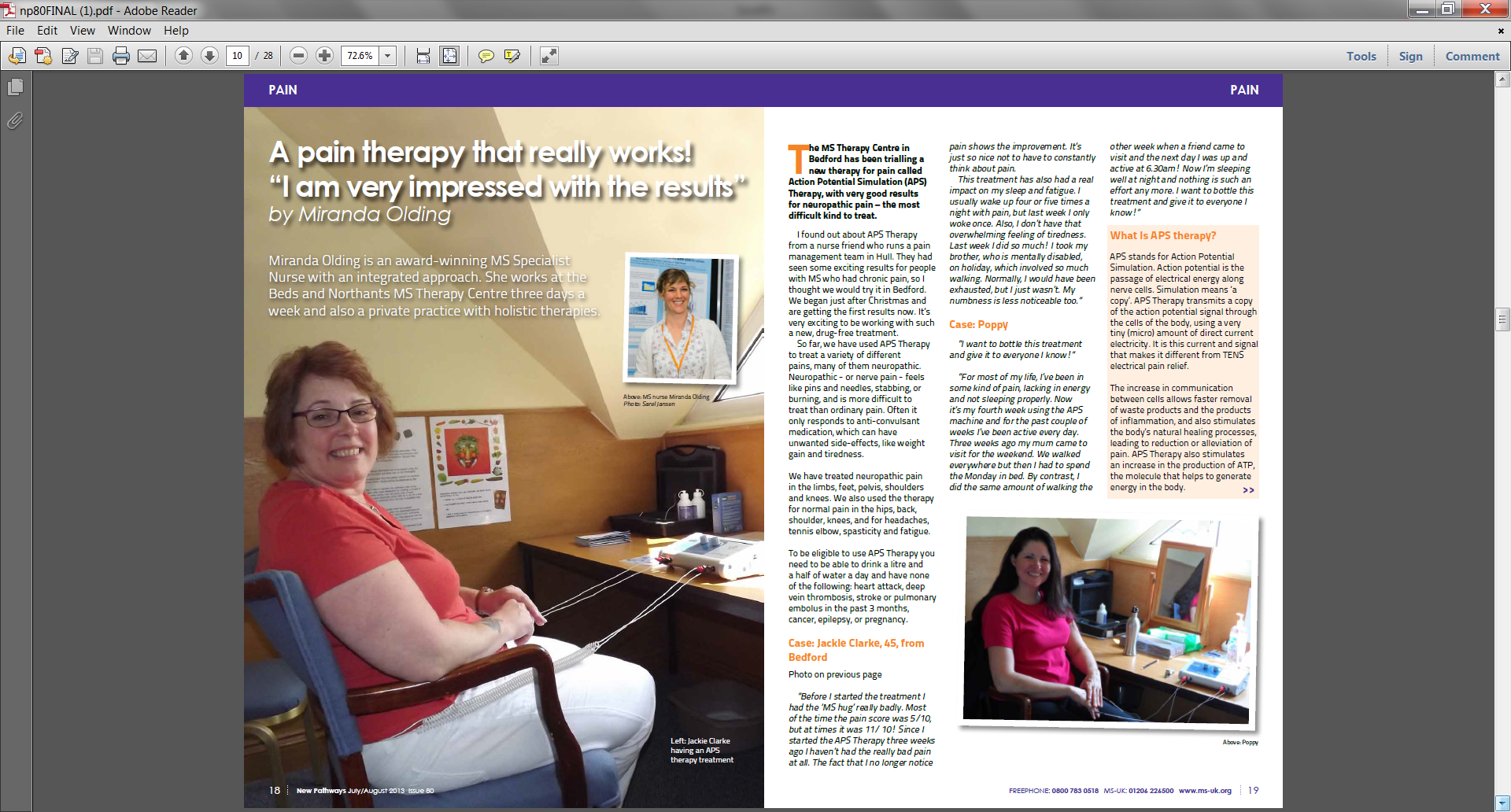
APS Therapy clinic in New Pathways magazine

Article published as of now. Thanks to the guys from the MS Therapy Centre in Bedford who’ve been game to share their stories. We’ve had lots of new stories generated even since this too! APS Therapy article New Pathways magazinenp80FINAL (1)  Here’s the PDF to the full article. Going to try to get just my bit, as this file is huge.

OMS retreat and Second paper from the HOLISM study published: omega 3s associated with markedly better health

I’m really, really looking forward to getting away from it all ( apart from my MS learning) next week on the retreat for people with MS run by George Jelinek of Overcoming MS. Vegan food, peaceful and beautiful surroundings – just hope they have wiFi!!

Launde Abbey

The reason that I’m there, is  to learn, as OMS have asked me to help them run the one day courses which will be running in the UK, to educate people about the evidence for lifestyle measures that can help people with MS to remain well. I’m looking forward to it! As this is not an either/or choice – there’s a place for both types of medicine – I have never been afraid to stand up and promote this from the rooftops!  Going to take my yoga mat and meditation shawls….

And here’s just some of the research that OMS have been up to recently

Second paper from the HOLISM study published: omega 3s associated with markedly better healthOur research team at OMS is excited about the findings of our latest study from the HOLISM database, published online early at the International Journal of Neuroscience (http://informahealthcare.com/doi/abs/10.3109/00207454.2013.803104). To refresh memories, this study recruited around two and a half thousand people with MS from Web 2.0 platforms like Facebook, Twitter and MS websites, from 57 countries around the globe. They completed a long survey about their lifestyles and the illness. We have been busy analysing the data ever since; the findings about one part of the lifestyle survey relating to fish and omega 3 consumption have just been published and add enormous weight to the OMS recovery program. Briefly, those consuming fish the most frequently (three or more times a week), and those taking omega 3 supplements, had better health in virtually all measured domains of disease activity, disability, and quality of life. Perhaps the most striking finding however of the research was that while people with MS taking regular fish oil supplements had 44% fewer relapses than those not taking omega 3s, those taking flaxseed oil regularly had 66% fewer relapses! This effect was independent of how frequently they were consuming fish. We have suggested flaxseed oil as the preferred omega 3 supplement in the OMS recovery program since its inception. These data provide strong support for that approach.
The take-home messages from the paper were that, in a real world setting, people with MS taking omega 3 supplements and eating fish regularly have much better health! They have less disability, fewer relapses and better quality of life. People looking to recover from MS everywhere who are incorporating these lifestyle changes into their lives can take great heart from these findings.
The full version of the paper is still not available for download from the journal website, so we have attached a pdf (above right) to enable people to read the full paper.

Get chugging back that Flax seed oil!