MS, Auto immune disease and gut health research

I know I keep going on about guts, healthy, leaky, gut bacteria, diet, etc etc, but I just keep bumping into research that seems to show just how important it is in auto-immune disease. Here’s the latest thing I found:

http://www.med.lu.se/english/news_archive/040908_ms

So. Anyone remember Judy Blume? “I must, I must, I must, I must increase my bust”?!

Change that to “I must I must I must, I must look after my guts!”

Nourish the gut wall, as described in the 2 previous posts, identify any food intolerances that have been caused by previous/existing gut wall problems and avoid, add anti-inflammatory flax seed oil & vitamin D, and keep building up the health of the intestines and digestion with great dietary fibre, less sugar, probiotics and prebiotics.

Just found out that through MS-UK, people with MS can get a massive discount on food intolerance testing. Email info@ms-uk.org to find out about this. 🙂

Gut health and probiotics for MS

Bacteria and Digestion

I quite often get asked about bloating. But did you know that you don’t have to have digestive symptoms to be suffering from ‘dysbiosis’ or wrong bacteria in the gut? It might be easy to think of this as something that’s just a minor inconvenience. However – gut problems are not just miserable & uncomfortable, they can also possibly play a role in  auto-immune diseases like MS. In fact  Hippocrates, the ‘Father of modern medicine’ is quoted as saying that ‘all disease begins in the gut’.

If the health of the gut breaks down, undigested food molecules can pass into the bloodstream. This is known as ‘leaky gut’. These undigested food molecules can be interpreted by the body as ‘bad guys’, and activate an immune reaction, causing a food intolerance. According to the theory of ‘molecular mimicry’, the confused immune system can then mistake other molecules, of the body’s own tissues, which are similar to these undigested food molecules, to also be ‘bad guys’ or pathogens, and launch an immune response to its own tissues, setting up an auto-immune disease.

So let’s take a look at this one aspect of gut health; bacteria,  & how it affects us. The gut is basically a long tube, that travels from the mouth to the anus, with many shapes & sizes along the way, to accommodate the different stages of digestion! I’ve discussed constipation, diet and stool health, and the link between auto-immune disease and food intolerances before in this blog , but today I’m thinking about the tiny beings who live with us, lovingly help to keep us healthy but also depend on us too for their existence  – Bacteria! bacteria

From the 1600s, and the invention of the first microscope, we have known about the existence of our internal bacteria, but up until quite recently, the focus for medicine has been more about the ‘war on germs’, and the eradication of infectious disease. We now understand that our gut is home to approximately 100 trillion micro-organisms. Did you know that: Bacterial cells outnumber our human cells to the extent that you could say that we are actually only 10% human, and 90% bacterial? Or that three pounds of your body weight is bacteria?

75% of our immune system is comprised of intestinal bacteria –  and it also helps to regulate metabolism, digestion and the absorption of nutrients from food. The health of our gut depends on this intestinal ‘flora’ being in balance, and gut health is critical to overall health, with poor gut health implicated in a wide range of diseases including diabetes, obesity, rheumatoid arthritis and other auto-immune diseases, autism spectrum disorder and even depression. So what can disrupt the healthy bacteria in the gut?  Top of the list is

  • Antibiotics – life saving but also seriously disrupt the ‘biome’

Amongst others,

  • Steroids and other medications like birth control and non- steroidal anti-inflammatories
  • Diets high in refined carbohydrates, sugar and processed foods
  • Diets low in ‘fermentable fibres’ – food for the good bacteria
  • Chronic stress          &          Chronic infections

What can we do to help repopulate the gut with healthy bacteria? And what to do if suffering from ‘digestive discomfort!’?

  • Eat plenty of fermentable fibers (sweet potato, Jerusalem artichoke, yams, dandelion greens, leeks, onion, garlic, or bananas) or take a pro-biotic ( good bacteria) capsule that includes Pre-biotics ( food for the good bacteria)
  • Eat fermented foods like kefir, live yogurt,( be aware these 2 are dairy based), kombucha, sauerkraut, kim chi, – traditionally most societies do, but we’ve forgotten to!
  • and/or take a high-quality, MULTI-STRAIN PRO-BIOTIC ( good bacteria) capsule daily – Bio-Kult is a good one, many others too
  • Keep your diet as close to whole foods as possible
  • Learn how to manage stress healthily

Taking regular probiotics  helps to re-establish the strength of our gut and digestion, reducing the incidence of food intolerances, and allowing the body to free up more of its energy for healing painful conditions. It  has also been found to help prevent recurrent infections like urine infections, and increase our ability to fight off the bad bacteria. The cheapest dairy-free way to get good bacteria into your diet is by making your own sauerkraut – It’s super easy to make – just get a head of organic cabbage, chop it up, punch it in a bowl, sprinkle salt on it, let it sit for half an hour, then put it in jars with a bit of salt water and let it sit on your kichen top for a week. There’s loads of instructions on the internet, but that’s about the size of it. Then use it like pickle.  Til next time :)

New research shows major impact of diet in MS

Good to see corroboration about diet in MS

http://www.msra.org.au/bad-fats-major-culprit-ms-progression

 Australian researchers find ‘bad’ fats major culprit in MS progression

16th May, 2014

van der mei, ingrid

Dr Ingrid van der Mei

Researchers from the Menzies Research Institute Tasmania have found adverse levels of ‘bad’ fats in the blood are closely linked to the level of disability in people with MS and the rate of disability progression.

These significant findings published today in the Multiple Sclerosis Journal andJournal of the Neurological Sciences suggest dietary and lifestyle modifications that improve fat profiles in the blood may also slow the rate of disability progression.

Senior researcher at the Menzies, Dr van der Mei says, ‘This is a very significant finding for the 23,000 Australians living with MS – as it shows reducing bad fats can significantly reduce not only the future level of disability but also the rate at which it progresses.’

‘Our new findings confirm that dietary measures to control fats in the blood is also another important measure Australians living with MS should act upon.’

Fats are an essential component of the brain and contribute to its repair and maintenance. However, some evidence suggests that levels of ‘bad’ fats may be linked to onset and progression of the condition. In this study, with PhD student Prudence Tettey as lead author, the team examined the fat profiles from blood samples of 141 people with relapsing remitting MS. The samples were collected at six monthly intervals over two and a half years as part of the National Health and Medical Research Council funded Tasmanian MS Longitudinal Study. This study is a highly valuable long-term data resource with detailed information on relapses, disability, MRI scans, lifestyle, immune function, virology and genetics.

The results identified that the amounts of a number of different fats in the blood, including the High and Low Density Lipoproteins (HDL and LDL) and triglycerides, were closely associated with disability level at baseline, and with disability progression over time.  However, neither the level of fat in the blood nor a person’s body mass index (BMI) were associated with risk of relapse.

This suggests that the fats in the blood may instead influence ongoing degeneration of brain tissue that drives the progressive phase of the disease. These results may have exciting implications for modifiable lifestyle factors that can influence disease severity. However, further clinical studies are recommended to confirm that interventions, such as reducing BMI and increasing physical activity, are able to produce benefits for slowing disability progression.

This research has been funded by a MS Research Australia project grant in 2012 to investigate whether fats play a role in the risk of relapses in MS and disability progression.

Media Coverage

Mudrun with an iphone! (+ waterproof case)

This is just a fun one! THANKYOU to all who have donated, here’s us ( Miranda, Simon, Rose, Joe and Beanna Olding)  doing the Mad Monk XRunner for the Beds & Northants MS Therapy Centre, & the MS Trust.

So… it started with some nerves from my little Beanna….bea looking nervous

There was a warm up & a good atmosphere at the start, couple of fireworks to send you off,

water canoninto the stream you go!

then straight into the stream  – ( where I fell over because I was messing with my phone) –  up the bank,

up the bank

spider web ahead

What’s that?’ Spiders web’, straight ahead?  through the web,  under the nets


under the net

beautiful rose olding


Beautiful Rose

run run runyou can do it bea!mad monk xrunner

Then into the RIVER?!

into the river on the mad monk xrunner

mad monk!


bea swims the xrunner

joe swims the xrunner


drenched xrunners

another one bites the dust!

some casualties….then up and over….

Over!!

up & over!


I said Over, dammit! … Dad to the rescue

simon shows off his muscles

dad gives a hand

then it was down that waterslide ( film) – over the river, & out the other side

help!

we survived the Xrunner

Over the nets, over the bars, through the tubes

joe goes over the ropesMiranda Olding

more running – simon faking it –

simon fakes it on the xrunnersimon on the run

come on girls!

Then a few obstacles, and on to the finish line – Yay Team Olding! …. it’s on this little film

by the way, the phone cover I used was an ‘Ipega’; I got it for 14.99 and it seemed pretty cheap from china… but my phone survived!

If you’d like to help boost the fantastic total that people have helped us to raise, our just giving pages are open until the 17/8/14 – please use the just giving buttons at the side of the page at the top – Thankyou!!

Results of a one year pilot using APS Therapy for pain in MS

It’s out!! So proud of this, the report on our results for the first year of using APS Therapy at the MS Therapy Centre in Bedford.

Action Potential Simulation Therapy ( APS Therapy) for pain in people with MS; Report on a One Year Pilot Study.

Miranda Olding RGN MSCN, Denise Kehoe


Abstract

People with MS commonly suffer from both nociceptive and neuropathic pain, and the latter is often resistant to treatment, or hard to resolve due to the unwanted side-effects of most of the appropriate drugs.

We carried out a one year pilot using the electrotherapy device APS Therapy to treat pain in people with MS, at the voluntary sector multi-disciplinary MS Therapy Centre, in Bedford, UK.

An 8 week course of the therapy 3 times a week was offered initially, and 38 people used APS Therapy to treat 61 different pains.

Within  8 week periods, 28 people (76%) got beneficial reduction in pain. Of the 58 pains, 50 (86%) had a reduction of at least one point on the Visual analogue Scale (VAS) for pain. Of the pains that improved, 17 (30%) were reduced to pain free. The average reduction in points on the VAS was 4.7 points. 12 people reduced or discontinued medications as a direct result of the effects of APS Therapy;  with more structured review and supervision, we feel that this number could be higher, and have adjusted our practice accordingly.

Many participants reported improved sleep and enhanced energy, and the improved quality of life that this afforded.

Many of the participants who benefitted, especially those with chronic neuropathic pain, felt that they needed long term treatment, but were able to maintain the benefits sustained at a reduced frequency of treatment ( once a week or even fortnightly), and elected to carry on. We were able to offer this as an ongoing service.

Robust research on APS Therapy is scant, but based on the outstanding results of this pilot is a very promising area for further research and clinical treatment.

Introduction

The problem of pain in the UK

Pain is defined as ‘An unpleasant sensory and emotional experience associated with actual or potential tissue damage, or described in terms of such damage’ (1)

Chronic pain is defined as continuous, long-term pain of more than 12 weeks or after the time that healing would have been thought to have occurred in pain after trauma or surgery.( 2)

Almost eight million people in the UK have chronic pain, or an estimated one in 5 Europeans. (3) As well as the human suffering, it also represents a significant burden to wider society and economies.  Chronic pain accounts for 4.6 million GP appointments every year at a cost of £69 million. Expenditure is on referrals, appointments, prescribing, consequences of ineffective home prescribing and adverse events. (4)

Current medical treatment centres around medication, but drug treatments often cause unwanted side effects or other medical problems, and the costs of drugs for managing pain alone in England in 2009 amounted to £449 million. (5)

Access to pain management services in the UK is inconsistent and available health services for pain differ markedly in the type of care they offer.(6)

Although in some chronic pain clinics, TENs, acupuncture, physical, psychological techniques, invasive treatments, and complementary therapies are offered, availability varies widely, rates of successful pain resolution are low, and 38% of people with chronic pain report  inadequate pain management.(7,8, 9)


The problem of pain in MS

Estimates vary as to the proportion of people with MS who suffer from pain, with some reports suggesting that up to 80% of people with MS may suffer from pain at some stage. (10,11,12)

People with MS commonly suffer from both types of pain; both nociceptive (‘normal’ type, after injury or with inflammation) and neuropathic. Neuropathic pain is defined as ‘pain caused by a lesion or disease of the somatosensory nervous system’ (13) is often characterized as burning, severe shooting pains, and/or painful numbness or tingling. It is commonly a long term or chronic pain, and effective treatment is difficult as the classes of drugs to which it responds best are associated with various adverse effects. ( sedation and weight gain most commonly)  (14)

The aim of treatment is to minimise the level of pain and to develop coping strategies so that the individual can carry out normal day-to-day living. Treatment options include drugs and non-drug treatments such as physiotherapy, electrotherapy or a combination.

Electrical therapies

There are many modalities of electrical therapies currently in use within physical therapy for pain relief and injury repair, which have been categorised into 3 broad areas(15)

Electrical stimulation agents, including Transcutaneous Electrical Nerve stimulation (TENS), Action Potential Simulation Therapy (APS Therapy), Interferential Therapy (IFT), Functional Electrical Stimulation (FES), and Microcurrent therapy (MCT),

Thermal modalities,  including Infra red Irradiation (IFR), Therapeutic Ultrasound and Laser Therapy, and

Non Thermal Modalities including Pulsed Ultrasound, Pulsed Electromagnetic Fields (PEMFs) and Microcurrent Therapy (MCT)

The most commonly used form of electrotherapy in healthcare is TENS. This uses an alternating current to affect pain gate mechanisms. A Cochrane review concludes that ‘despite the widespread use of TENS machines, the analgesic effectiveness of TENS still remains uncertain’(16)

There are many studies demonstrating its’ usefulness, however, in my experience with MS it has only occasionally been effective for mild or moderate pain, but has been limited to the duration of treatment with the electrodes, or a one or two hour carryover at best.

We heard about some exceptional case studies carried out in Hull using the electro-therapy Action Potential Stimulation (APS)Therapy showing effectiveness in reducing both pain and fatigue; drastically reducing the medication used, and increasing mobility, independence and quality of life in people with MS(17) and decided to investigate.

 APS Therapy

 APS Therapy ( Action potential simulation therapy) is a type of micro-current therapy.

These therapies involves application of electric currents of similar form and magnitude to those produced naturally by the body and there is evidence that this can promote healing in a variety of damaged tissues. (18)

The APS Therapy device uses an electrical current that supposedly mimics the normal physiological action potential of nerve conduction.  The device is said to produce action potentials that are four times stronger than those naturally occurring in the neuron. When swelling, inflammation, poor circulation and pain occur due to mechanical, chemical or electrical disturbances, by stimulating the body’s natural regenerative processes (as in depolarisation), it is postulated that these conditions are encouraged to resolve. (19) See discussion.

Literature review for micro-current and APS Therapy

A literature review on over 70 papers on micro-current therapy in 2009 concluded that there was evidence for its use with non-uniting fractures, spinal fusions and a skin ulcers, particularly where other forms of treatment had not been successful; that In vitro studies also suggest that there is unexplored potential for its use in musculoskeletal disorders. However, higher quality and more comprehensive research is needed. (20)

An assessment of APS Therapy on 285 Patients with Chronic Pain in 2002 reported  a mean average VAPS was 6.8 before treatment and 3.3 after treatment in the over 50s, and 6.3 and 2.2 respectively in the under 50s.  Out of the 285 patients,44 (15%) ended with a ‘0’ VAPS and 199 (69%) with a score of 5 or less. (21)

A trial of APS Therapy in patients awaiting or having neurosurgery for intractable spinal pain concluded that the number of patients treated was too low to reach a statistical conclusion, but that the trend was very promising and they recommended that  patients waiting for destructive surgery should first be put on a thorough trial of APS Therapy.(22)

In a 1999 randomized, patient blinded, placebo-controlled study, on 76 patients with chronic osteoporotic back pain, reported pretreatment baseline VAPS value average of of 57.79, and post- treatment value after the sixth treatment of 9.7 (p= 0,0001); 6 patients maintained benefits 6 months post treatment.(23)

A study in 1999 on APS Therapy compared with TENS in 99 patients with osteoarthritis of the knee did not find a significant difference between the two treatment groups given just 6 treatments over a 2 week period. The authors did note, however, that the APS group showed a significant improvement in measures of knee flexion and swelling, which persisted even 1 month after the last treatment. (24)

Methods

Sample

People with MS who presented with pain in the MS Nurse’s clinic were screened for suitability and contra-indications, and offered the chance to trial the therapy. Pain due to spasticity/muscle spasm , or pain whose origin was uncertain, where more investigations were needed, were excluded.

Contra-indications include having a Pacemaker, epilepsy, pregnancy, or cancer, or in the past 3 months, stroke, heart attack, deep vein thrombosis or pulmonary embolus. One participant had a baclofen pump; after discussion with the manufacturers of both devices, this was allowed in this case. We also checked that participants felt able to drink the recommended litre and a half of water daily during therapy.

All the participants gave their informed consent to take part in the study; it was made clear that this was optional. 39 had MS, 3 did not. ( 2 were members of staff, and one a volunteer)

An 8 week course of APS Therapy, with 3 x sessions a week, comprising of 4, back to back 8 minute electrode placements, was offered, in a clinic room at the multi-disciplinary, voluntary sector MS Therapy Centre in Bedford, UK. We had first one, and then 2 APS Therapy clinic machines. People who could apply the electrodes themselves had one teaching session and then self-treated, with floating supervision from staff.

During the 8 week course, 6 people dropped out. One had vomiting and headache after 1st treatment, decided not to proceed. Detoxification reactions ( usually headache) are possible, although not common if drinking the recommended amount of water, and are self-limiting.  One experienced flickering in her vision and decided not to proceed. Although there is no documented precendent for this, and the cause was uncertain, electrotherapies can trigger migraine in susceptible people. Three people became unwell, two with existing other conditions and one with an MS relapse since starting treatment and either unable or decided not to proceed. One struggled to travel for treatment and felt discouraged after no benefit felt at 2& ½ weeks.

36 people in this study went on to use APS Therapy to treat 58 different pains.

25 of the pains were neuropathic, including 2 sciatic type pains, and 34 were nociceptive, including headaches, fibromyalgia type tender spots, backache, joint pain and arthritic type pain.

32 were women and 4 were men. The average age was 52 for women and 51 for men. 11 people had relapsing remitting MS, 22 had primary or secondary progressive, and 3 did not have MS.

We measured pain using the visual analogue pain scale (VAS), asking each participant to score for the average, or constant level of pain, and the worst level of pain, and how much of the time the pain was average, how much of the time worse. Medication use was recorded.

Results:


In  8 week periods;

Of the 36 people, 28 (78%) had reduction in pain.

Of the 58 pains, 50 (86%) had reduction.

Of the pains that improved, 17 pains  (30%) went down  to 0/10, or pain free.

pie - people whose pain improved

pie - pains that improved with APS Therapypie - pain free with APS Therapy


Reduction’ was quantified as 1 or more whole points on the VAS for pain. Neuropathic pains appeared to respond almost as well as nociceptive pains to the treatment12 people reduced or discontinued medication as a direct result of the results of the APS Therapy, on reflection, with more supervision, we feel that this could have been more.The mean pre-treatment score on the VAS for ‘Average level of pain’ overall was 5.56. Mean reduction in pain was 4.7 points, to a mean post-treatment VAS of 2.3.Average reduction for ‘worst pain’ scores was 4.1 points on the VAS scale.

APS Therapy results chart

Neuropathic pain

nb. in the charts below, a score of 0 or pain free, has been represented by a score of 0.01, in order to show up as a colour.

APS Therapy for neuropathic feet and leg pain

‘Average pain’ in the 14 cases of neuropathic feet and legs had a mean pre-treatment score of 6.3, which reduced by 3.8 points on the VAS on average to 2.5.

2 individual’s pain did not respond at all, 12 people experienced a benefit, and of these, 5 people went to pain free.

APS Therapy for worst pain, neuropathic feet and legs

‘Worst pain’ for neuropathic feet and legs was a pre treatment mean of 8.03, and reduced by 5.17 on the VAS on average, to a post treatment mean of 2.46, with 5 people at pain-free.

Combined ‘average’ and ‘worst’ pain scores gave a mean reduction of  4.5 points on the VAS.

Other neuropathic or nerve pain:

In neuropathic pain of the trunk, arms, hands and face, reduction in ‘average pain’ was a mean of less, at 2.5, but still had a reduction in ‘worst pain’ of 4.9 points on the VAS.

charts - APS Therapy for other neurogenic pains

APS Therapy - charts - Worst pain, other neurogenic

 Joint pain or injury

‘Average pain’ scores for joint pain or injury had a pre treatment mean of 5.1 and fell 2.9 points on the VAS to a mean of 2.2 . Actual results were quite polarised, with 4 people having no response, and 7 going  to pain free.

joint pain or injury results with APS Therapy

‘Worst pain’ for the 16  joint type pains had a pre treatment mean of 7.5 points on the VAS, and  fell by an average 4.9 points on the VAS to a mean of  2.6. 2 people’s worst pain did not respond, and 7 pains went to pain free.

APS Therapy for worst pain - joint pain or injury

 Headaches

People with headaches responded particularly well to APS Therapy; the reduction in ‘average pain’ as scored by the VAS was 4.7, but our data does not catch the reduced incidence in those still experiencing headaches.

APS Therapy for headaches chart

Back pain

‘Average pain’ for back pain had a response of 3.3  points reduction on the VAS on average; 2 people’s pain got worse, one was unchanged, 7 benefitted, and of these, 2 went to pain free.

APS Therapy for back pain in MS patients

Other pains

The remaining pains were 2 cases of muscle fatigue type pain and one pain from metalwork post pin and plate, which did not respond, and 1 psoriasis pain and 1 varicose vein pain, both of which did benefit.

APS therapy charts other pains

‘Other benefits’

For this report, we have not managed to keep accurate data about other benefits reported  during APS Therapy treatment. These have been: 4 cases of significant improvement in energy/reduction in MS fatigue, 2 cases of significant reduction swollen legs and ankles, 1 report of improvement in skin discolouration due to poor circulation, reduction in size of ‘fatty lump’ on hip, swollen gland in neck, and fluid under the skin on the scalp, 2 cases of alleviation of life-long insomnia, and many reports of improvement in sleep quality. 2 people reported no further urinary tract infections, which had been recurrent, and which they attributed to the APS Therapy, and 1; reduction in dizziness and improvement in cognitive function, which again they attributed to the therapy, and reported as a post-treatment effect.

We have identified reliable and valid outcome measures that we will be using for future clinical governance to measure sleep quality and energy levels, and the effect of pain on everyday life and mood.

Discussion

One of our concerns when starting this project was that people might benefit, but need long term therapy, which we would not be able to offer long term. We hoped to be able to use the NHS one-off personal budgets to allow people to purchase their own machine if necessary, but the scheme was only available for people on continuing health funding in our area. In actual fact, we found that although we did have a group of people who needed to maintain therapy to maintain the benefit; but they were able to reduce the frequency of their treatment to once a week, or in one case once fortnightly, and still retain the effect, and a such we have been able to continue to provide a service for these people.

We did not have research funding for this study, there was no control group, and many variables. Our sample, as typical in MS, often had to cancel appointments due to health problems, transport or general difficulties, but still achieved a remarkable result.

It was interesting to note that effectiveness was similar between the neuropathic and nociceptive type pains when using APS Therapy.

The mode of action is not fully understood, but injury or disease can cause oedema, inflammation, neuronal dysfunction, circulatory disturbance and lack of oxygen supply to the tissues or organ systems. Inflammation in tissue also promotes the build-up of chemicals, known as the “inflammatory soup” which may  interfere with neural transmission.

If there is poor transmission or even cessation of activity along the neurone, as a result of injury, inflammation, or disease process, the system cannot conduct its action potentials, and the homeostatic and regenerative mechanisms are disturbed.

It has been postulated by Papendorp (25) that  introducing external action potentials through the use of APS Therapy may result in the metabolic catabolism  and subsequent excretion from the body of inflammatory substances. As inflammatory metabolites may be a major cause of pain, removing the cause allows for pain reduction. Circulation is also improved  and thus antibodies, enzymes, neurotransmitters and hormones are conveyed at an increased rate to the treated area, stimulating the body’s own healing mechanisms.

Conclusion

APS Therapy seemed to be a safe and effective therapy to try in cases of both neuropathic and nociceptive pain. Participants in this study, most of whom had MS, achieved positive results using APS Therapy in 76% of cases. The therapy was safe, and in the main, people were extremely happy with mode of treatment, preferring it to drug therapy, and in some cases reducing and discontinuing analgesic drugs as a result.

We hope that by presenting our pilot study of an APS Therapy service in the context of available research on the subject, we can stimulate further clinical use and research.


References

1) H. Merskey and N. Bogduk, Eds,.Classification of Chronic Pain, Second Edition, IASP Task Force on Taxonomy, IASP Press, Seattle, 1994.

2) British Pain society 2014 For media, FAQs http://www.britishpainsociety.org/media_faq.htm ( accessed 3/2/2014)

3) Breivik H, Collett B, et al. Survey of chronic pain in Europe: prevalence, impact on daily life, and treatment. Eur J Pain 2006 10( 4):pp 287-333

4) Belsey J. Primary care workload in the management of chronic pain: A retrospective cohort study using a GP database to identify resource implications for UK primary care. Journal of Medical Economics 2002 . 5, (1-4) pp 39-50

5) NHS Information Centre. Prescription Cost Analysis for England 2009. Available at: http://www.ic.nhs.uk

6) Harris M, Spence A, et al. (2000) Clinical Standards Advisory Group (CSAG): Services for patients with pain

7) Breaking through the Barrier’, Chief Medical Officer 2008 Annual Report, March 2000

8) InSites Consulting. Pain Proposal Patient and PCP Surveys. July – September 2010

9)Collett, B. Betteridge, N., Semmons, I , Trueman, P. Pain Proposal, Improving the current and future management of chronic pain 2010 http://www.arthritiscare.org.uk/…/main…/PainProposalUKSnapshotFinal.pdf

10)  Ehde DM, et al.The scope and nature of pain in persons with multiple sclerosis. Multiple Sclerosis 2006;12(5):pp 629-638.

11) Hirsh AT, et al. Prevalence and impact of pain in multiple sclerosis: physical and psychologic contributors. Archives of Physical Medicine and Rehabilitation 2009;90(4):pp 646-651.

12) Archibald CJ, et al.Pain prevalence, severity and impact in a clinic sample of multiple sclerosis patients. Pain 1994;58(1):89-93.

13) International Association for the Study of Pain,  2011 http://www.iasp-pain.org/AM/Template.cfm?Section=Pain_Definitions (Accessed 3/2/2014)

14) Neuropathic pain – pharmacological management: the pharmacological management of neuropathic pain in adults in non-specialist settings. National Institute for Clinical Excellence November 2013

15) Watson, T. Narrative Review : Key concepts with electrophysical agents Physical Therapy Reviews 2010. 15(4): 351-359.

16) Cochrane Database Syst Rev. 2008 Jul 16;(3)

17) Van der Plaat, L. unpublished case studies using APS Therapy on people with MS in a day hospice setting. 2013

18) Berger P. Electrical pain modulation for the chronic pain patient.  South African Journal of Anaesthesiologyand Analgesia. 1999;5:14-19.

19) Van Papendorp DH, Kruger MC, Maritz C, Dippenaar NG.

Medical Hypotheses- 2002 Elsevier

20) Watson, T. Narrative Review : Key concepts with electrophysical agents Physical Therapy Reviews 2010. 15(4): 351-359.

21) Papendorp DH van. (2002). Assessment of Pain Relief on 285 patients with chronic pain. Biomedical Research 2002; 26: 249-253.

22) Du Preez, J. Neurosurgical Pain Conditions University of Pretoria

23) Odendaal & Joubert APS Therapy- a new way of teating chronic backabacke, a pilot study South African Journal of Anaesthesiology and Analgesia.1999; 5 1

24) Berger, P. Matzner, L Study on 99 patients with osteoarthritis (OA) of the knee to investigate the effectiveness of low frequency electrical currents on mobility and pain: Action Potential Simulation therapy (APS) current compared with transcutaneous electrical nerve stimulation (TENS) and placebo.South Africa Journal of Anaesthesiology and Analgesia

1999 5: 2

25) ) Papendorp DH van. (2002). Assessment of Pain Relief on 285 patients with chronic pain. Biomedical Research 2002; 26: 249-253.

 HOPE YOU LIKE IT!

This is where I work!

Eeek! – you have to understand that i was just dragged out from my office without warning to contribute to this fundraising video, on the hoof, so obviously all I can think about is how it could be better! – but this is where I work 🙂

If you’d like to support us,
I have signed up, with husband and teenagers, to do the extreme mad monk mud obstacle course/mud run on the 17th of May 2014
http://xrunner.co.uk/mad-monk-obstacle-course-race/ to raise money for the MS Therapy Centre and the MS Trust

My Just Giving page for MS Therapy Centre is http://www.justgiving.com/miranda-olding1 ( if you read this after that date, just use the page at the end of the video)

and the MS Trust is http://www.justgiving.com/miranda-olding

Or you can donate by text! Just text 70070 with this code: MSGO 68 and your £1, £2, £3 etc for the MS Therapy centre
Or 70070 with code NOWS 66 and your £etc for the MS Trust

THANKYOU FOR TAKING AN INTEREST, THANKYOU FOR WATCHING, AND IF YOU DONATED, MASSIVE BIG ENORMOUS THANKYOU, YOUR MONEY WILL BE VERY WELL USED!

8 things I’d do if I got diagnosed with MS

to-do-list DOING NOTHING IS NOT AN OPTION!! MS can have a very serious impact on your future quality of life. All measures you can take to stay well, have the most impact when they are done early on, and stuck to consistently. Nobody knows what causes MS; but it’s agreed that genetic susceptibility can combine with environmental factors to trigger the auto-immune confusion that causes the body to attack it’s own myelin.

As far as the disease process goes, It’s widely believed that the early inflammation causes damage, which causes later degeneration, but we now know that degeneration is also a factor right from the start. However, there is a lot you can do to combat both inflammation and degeneration, both with medical treatment and your lifestyle & nutrition. Having worked as an MS specialist nurse for about 13 years now, here’s what I’d do if I got a diagnosis of MS:

1) ADDRESS INFLAMMATION & DEGENERATION WITH DIET &LIFESTYLE. Get George Jelinek’s book ,’Overcoming MS’ and follow all the dietary and lifestyle recommendations to the letter. This involves

Plant based whole food diet                                                                                      High dose vitamin D3                                                                                                  20g omega 3 oil                                                                                                        Exercise                                                                                                              Sunshine                                                                                                                Meditation

I consider this to be a rock solid foundation for good health, whether you have MS or not. It’s also so great to keep hearing individuals stories of improvement, even with long-standing and progressive MS, following this approach, and both Jelinek’s, and more and more research on diet and disease backs up this evidence based approach. See www.overcomingms.org

2) Find out about your options re drugs. I am not going to be talking about diseases modifying treatment (‘DMT’) choices here, only broad concepts.

MS drugs aim to stop or reduce  inflammation, manifested as relapses, in the hope that this will prevent the degeneration. See the infographic in my Alemtuzemab about the relationship between safety and efficiency of the various treatments available.

An important point to consider is that some of these more effective drugs are ‘second line’ treatments, which means they are only available to you on the NHS if you have already tried the standard drugs. There are also sometimes drug trials recruiting, where you can access a drug as part of an experimental trial. (see other posts) There is a link on the MS Society website to find out what trials are ongoing and how to get involved in a trial.

MS drug treatment is a fast changing topic and you need to have a serious discussion  with your MS Nurse and/or neurologist to find out what you are eligible for, and then read round the subject and discuss to make an informed choice.

Make sure the information you use to make your decision is as objective as possible, and not coming directly from the companies making the drug. www.msdecisions.org is a decision making tool that’s been put together by the MS Trust, the MS Society, the UK MS Specialist Nurses Association and the Department of Health, so its’ as objective as you are likely to find.

Last important point: The earlier in the disease process that a drug is used, the more effective it is likely to be.

3) Some – not all – but some, people with otherwise unexplained medical conditions, have an underlying food intolerance, and you can be completely unaware of the problem. If you do have an intolerance, for example, to gluten, then every time you eat that food, you set up a chain of inflammation in the body, which can certainly exacerbate any auto immune condition.  For that reason, I, personally, would also want to identify food intolerances. Finger prick blood tests are available online from companies like York labs and Lorisian. There’s a lot of controversy about them, and they have been found sometimes to be unreliable, with a tendency to just show up with whatever you’ve eaten recently. Another way is to spend some weeks doing s ‘exclusion diet’, to see if you can find any cuplprits. Here’s one example: https://avivaromm.com/elimination-diet/ . The difficulty here is that MS is a condition with ups and downs anyway, so it’snot necessarily going to be clear.

However, in my experience, when people who have a food intolerance identify and avoid that food, they get a lot better all round, so its worth doing.

4) Gut health There’s a growing understanding about how problems with the integrity of the gut wall,  (the tight junctions that prevent the wrong molecules passing through into the bloodstream, triggering this type of food intolerance) and the right mix of bacteria in the gut, can contribute to auto-immune diseases. This is a huge topic – search ‘heal your gut’ or similar. There are various ways to do this, by avoiding food intolerances, using supplements like the protein L-glutamine, various products to kill off any overgrowth of yeasts etc ( as in step 5) and probiotics.

Then, hopefully, your exclusions don’t have to be forever.


5) Consider a clear out. Environmental factors combining with genetic susceptibility is what is thought to trigger MS , and as we are still unsure exactly what those environmental factors are,  there is still a lot of interest and research going on into the role of viruses etc in MS. Even if this turns out to have nothing to do with the cause of MS, any inflammatory condition will be worsened by an overload of any organisms that should not be there, whether they are yeasts, bacteria, virus, or parasites. People who are concerned that they may have an overgrowth of yeast, wrong gut bacteria, etc may want have a ‘clear out’ by doing a  3 month ‘detox’ with a strong natural detox agent. I like something called SOS-Advance, which is a colloidal suspension of strong anti bacterial, anti viral, anti parasitic plant oils like oregano, neem etc, but there are plenty of other herbal ‘de-tox’ products. Be aware, before starting any detox product, that it’s possible to feel really grotty for up to a week at first, if you have a ‘die-off’ reaction. If this happens, drink more water, rest, make your diet light and fresh, treat any constipation, and shower/bathe frequently.

6) Eat Really good Food – it’s not all about avoiding stuff-  food has so much power to affect the cells of our bodies for brain and nervous system health, so read up on a wholesome plant based diet, and ‘eat the rainbow’, especially dark green leafy veg.

7) Becoming more resilient to stress. Super important. We know that unmanaged stress causes and inflammatory cascade in the body, and there’s enough research to identify it, along with infection, as a trigger for MS relapses. There’s load of research now on the power of meditation, mindfulness, and relaxation. Personally, and especially if you struggle to fit meditation or deep relaxation into your day, I like the HeartMath technique, where you learn to synchronise your heart rate variability, and get feedback as to how you’re doing. In my clinics, I use the desktop teaching program, and send people away with the simple technique to do regularly, but you can now purchase an app version, available from itunes: https://store.heartmath.com/innerbalance

8)Read up on intermittent fasting, even if it’s just to use if and when you’re aware that you have inflammation or relapse going on.

So, TO SUMMARISE, and adding the Jelinek/Overcomingms recommendations:

AVOID:

  • saturated fat ( meat & dairy, coconut & palm oil)
  • other fats in processed food
  • unmanaged stress
  • physical inacitivty (as much as possible)
  • foods which you test intolerant to
  • smoking
  • eating too many calories for your needs

TAKE:

  • a plant-based, whole food diet
  • eating a ‘rainbow’ with special focus on dark green!
  • high dose vitamin D3, keeping blood levels around 150nmol/litre
  • 20g omega 3 – 2 dessert spoons of cold pressed flax seed/linseed oil fulfils this
  • probiotics
  • Any appropriate MS treatment drug
  • meditation/deep relaxation 30 mins daily to improve resilience to stress, or regular Heartmath technique.
  • as vigorous as possible exercise 30 mins, at least 3-4 x a week, outside if poss
  • the sun – as close to all over as poss, 10-15 minutes when possible
  • Lipoic acid 1,200mg – see this post

and take courage – many people with MS go on to live healthy lives well into old age. I would encourage you to do these actions to help you to be one of these. 🙂

Planning to stay in control

As Benjamin Franklin once said, there are only 2 certainties in life; death, and the taxman, (!) and you don’t need to have a life-limiting condition to make plans about what you want to happen in various circumstances that could, possibly, end life. But how many of us have?

At the MS Therapy Centre in Bedford, we sadly lost a member recently;  who’d been getting along, managing with lots of disability, but had a very mellow outlook, a sunny smile, and life was still sweet. However, a sudden infection in this sort of case, can prove fatal, and this time, sadly did. Losing her company  coincided with me visiting Leeds for an excellent study day run by the MS Trust, about end of life issues.

MS end of life study day Mirandasmsblog.com

Hello Leeds! & Thankyou, MS Trust

Well, I can tell you that  as a nurse, I’m perhaps more aware of the ‘circle of life’, and my husband is under strict instruction that should anything ever happen to me, he must ensure that my legs are shaved and my makeup is on at all times – and apart from that, I’m not bothered!

dear hubby, - don't let this happen!

dear hubby, – don’t let this happen!

lipstick

But what other options are there, and how can you ensure that what you want to happen, will happen?

What I learned yesterday, is that although there are various forms you can fill out, it is just as valid to put your wishes in a letter, to be shared with  the GP and close family/friends, kept with your notes with any health or care providers, and on the fridge at home if you have been going in and out of hospital recently.

Planning for future care doesn’t mean that you can’t change your mind later, and restate your intentions, but sometimes, if you do become very unwell or disabled, it can be hard to make your wishes clearly known. Putting your wishes down on paper can give you more control, and give yourself and family members of carers peace of mind, that in the heat of the moment, what happens is what you want to happen.

In law, we don’t have the right to demand certain medical treatments, and the default position of our health service is to always treat what can be treated. We do have the right to refuse various types of treatment however. So  things to think about are:

  • If you were taken ill with an infection, would you want to be taken to hospital, or treated at home?
  •  If you weren’t able to take antibiotics as tablets, would you want them intravenously? This can also be organised at home in most areas.
  • If you were extremely poorly, would you want to be put on a ventilator?
  • If your heart stopped, would you want to be resuscitated?
  • If the answers to these questions depend on different circumstances, what would those circumstances be?
  • In the event of becoming very ill or unable to communicate, what is important to you?

See me to discuss these issues further, or help to draft up a letter.

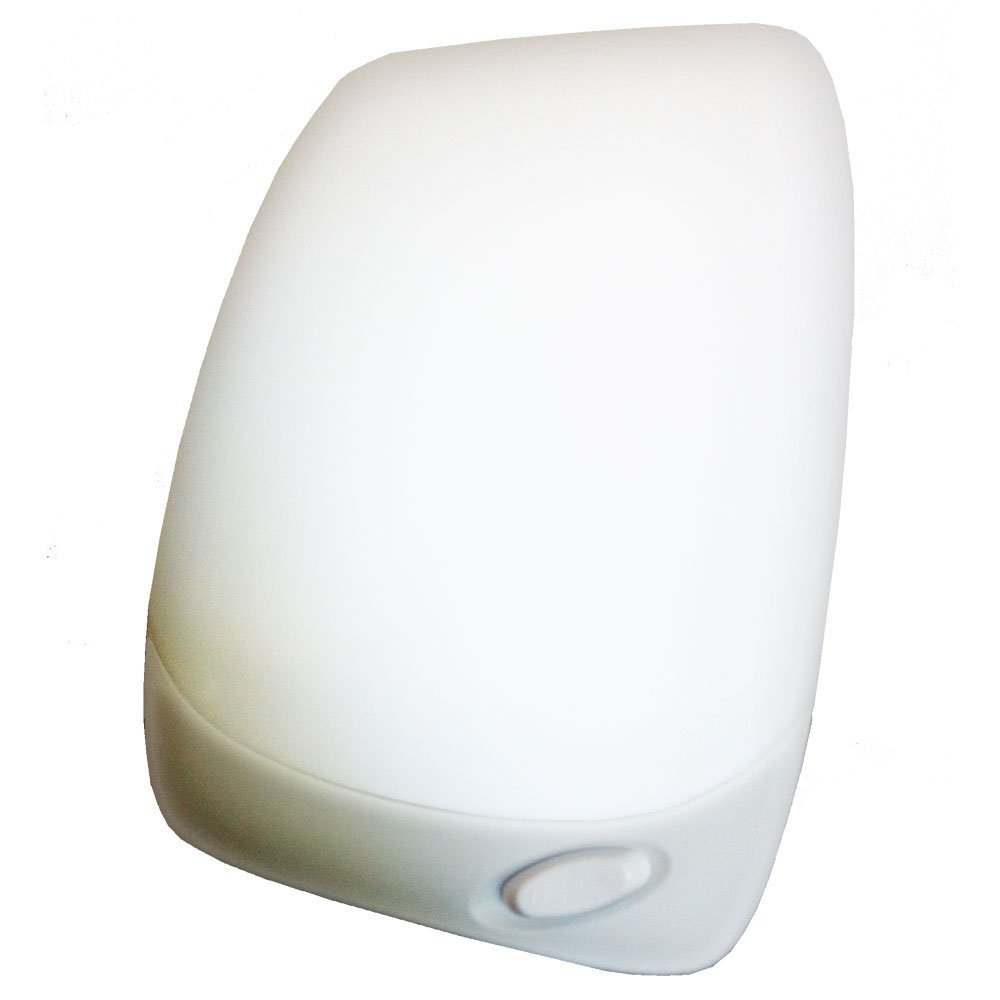
On a lighter note (SUUUUUUCH a bad pun!) Last year, one of our members emailed me to let me know how much better he was feeling after just a short time using a lightbox. Here’s what he said then:

Hello Miranda,
Further to our chat in the car park at the MS Therapy Centre on Thursday, here is the link to the light box I was talking about:


I found it on Amazon for £44, plus about £5 p+p, which gives a total cost of about £50.
There are others which cost in excess of £100 but, having read the reviews and specifications, they all seem to do the same job.

In my totally unscientific testing, I’ve found that I feel better and have fewer symptoms if I have the light on when daylight levels are low.
So I use it when it is raining, fully cloudy, or just more cloud than sunshine and mainly first thing in the morning and towards the evening.
I have it sitting about 3 to 4 feet away, at head height and just over my right shoulder when I’m working at my desk on my computer.
I wouldn’t recommend having it pointing at one’s face as it is very bright and would likely lead to eye strain.

I have only had it about a month, but have noticed a difference on days with heavy clouds when I haven’t used and when I have.
I’m looking forward to seeing what difference it will make this coming winter.
If you’re interested, I’ll let you know in the Spring whether it worked or not.’

Well, in the interests of science, journalism and health, I thought I’d follow that up after 1 year, in these gloomy days of February! And the answer is, Yes! He still finds this very helpful, reporting that the warmth and brightness give a definite sense of wellbeing, it appears that urinary urgency is reduced, and he has a marked decrease in fatigue/improvement in energy levels, and is able to work until about 5.30, instead of about 3.30pm each day. Very Interesting. Thankyou, mystery tester.

lightboxRemember that lightboxes don’t get you  making vitamin D, which is important especially at this time of year; a sunbed will, as long as it includes UVB rays. As long as you’re responsible about your skin ( not using sunbeds to get a tan, but a quick dose to just before you start to change colour) there’s no harm in using both… but roll on summer!


Stress, MS, and my research on using HeartMath to become more resilient to it.

I’d forgotten about this article until I needed to find the references to stress for a piece of work I’m doing.But  I’m quite proud of it, and I still use HeartMath alot in clinical practice, so here it is, courtesy of the MS Trust, where it was first published

.http://www.mstrust.org.uk/professionals/information/wayahead/articles/15022011_07.jsp

and here it is , but without the long list of references:

Using the HeartMath technique to reduce stress in people with MS

Miranda Olding, MS Specialist Nurse
Bedford MS Therapy Centre

Way Ahead 2011;15(2):12-13


Miranda Olding was the clear winner of the poster prize at the 14th Annual MS Trust Conference for her work on stress management. In the following article, Miranda expands on the project she carried out.

Introduction

a man holding his head looking stressed

From the first recorded medical observations of MS, a link has been noted between stress and MS. Charcot, who first described MS as a disease, cited ‘prolonged grief’, financial problems, and ‘circumstances of moral order’ as being associated with the appearance of symptoms1. More recently, a close association between stress and MS relapses has been found by many researchers2,3,4. In one study in patients with MS, experience of at least one stressful event during a period of four weeks was associated with double the risk of an exacerbation within the next week5. Not all researchers agree however6,7,8. Some of this discrepancy may be due to the different methods and the types of stress recorded – for example in Nisipeanu’s study8, the life threatening acute stress experienced by the subjects who were exposed to the threat of daily missile attacks in the Persian Gulf War in 1991 seemed to have a protective effect on their MS.

The controversy over stress as a trigger factor for MS disease activity has prompted many literature reviews, and a meta analysis published in the BMJ in 20049 concluded that there is a consistent association between stressful life events and subsequent exacerbation in multiple sclerosis. The authors go on to caution that this should not be used to infer that patients are responsible for their exacerbations, but rather they hope that the findings would lead to the development of new behavioural or pharmacological strategies to combat the stress-relapse link.

How could stress promote relapses in MS and how can quality of life be improved?

At least one study in people with MS has shown that reducing distress can reduce the T-cell production of pro-inflammatory cytokines associated with relapse10. Animal studies suggest that an increase in cortisol, the hormone produced during stress, leads to an increase in the permeability of the blood brain barrier and increased inflammation through the release of tumour necrosis factor-alpha, histamines, and tryptase11,12. On a seesaw with cortisol is the hormone dehydroepiandrosterone (DHEA). Feelings of wellbeing, happiness, contentment and appreciation lead to increased levels of DHEA in the bloodstream, which are associated with better sleep, increased energy, a slower aging process and a reduction in inflammatory activity13.

In 2010, Wollin et al14 reported that the one factor that impacted most on quality of life in MS, over and above disease severity and duration, as measured by the WHOQOL-100 instrument, was ‘self-efficacy’ – the ability to do things oneself to help overcome life’s challenges.

What is HeartMath?

The HeartMath technique is a simple breathing and positive emotion technique, it needs no equipment or lengthy training to practise and master. It is taught using biofeedback to record and display heart rate variability (HRV) on a computer screen so clients are immediately able to see the changes in the autonomic nervous system that result from its use. Using HeartMath on a regular basis has been shown to increase positive emotion, decrease depression and anxiety, reduce cortisol levels and increase levels of DHEA15,16.

The field of neurocardiology believes that the heart, rather than being simply a mechanical pump for blood, has its own nervous system, and not only receives but also transmits complex patterns of neurological, hormonal, pressure and electromagnetic information to the brain and throughout the body17. Negative emotions lead to disorder in heart rate variability patterns and in the autonomic nervous system, adversely affecting the rest of the body. In contrast, positive emotions create increased harmony and coherence in heart rhythms and improve balance in the nervous system. Dramatic positive changes occur when techniques are applied that increase coherence in rhythmic patterns of heart rate variability. These include shifts in perception, the ability to reduce stress and deal more effectively with difficult situations, heightened mental clarity, improved decision making and increased creativity and positive feeling18.

Background and aim of research

I became interested in using the HeartMath technique with my patients, after hearing about its use in education and because I see many people who attribute current or recent worsening of their MS to stressful life events, or to feeling stressed. It also appealed to me as it is a drug free strategy which people can manage themselves. The aim of this research was to find out whether using Heartmath could reduce stress in people with MS, with a long term aim of helping to reduce MS disease activity.

Method

The study involved 20 clients (17 women, 3 men) with MS (aged 19-63) who believed that stress was, or had recently been exacerbating their MS. The participants (13 with relapsing remitting MS and seven with secondary progressive MS) had identified stress as a trigger factor for relapse, worsening, or an ongoing problem, associated with their MS. They were offered HeartMath training and gave their informed consent to take part in the research.

A Hospital Anxiety & Depression Score (HADS) was taken as a baseline measurement. This was followed by one session of HeartMath training, which took approximately 15 minutes. Participants were instructed to practise the technique for a minimum of ten minutes at the start of each day, but also at any time when they felt anxious or agitated, found themselves mentally free, or were trying to get to sleep. Most of the HeartMath training sessions were integrated into a general clinic appointment with the MS nurse. Within a three month timescale, participants had a follow up appointment or were contacted by telephone to repeat the HAD score and record any qualitative comments.

Results

Of the 20 participants, 15 used HeartMath regularly, one used it occasionally, two did not use it at all, and two were not followed up within the three month time period. Of the HeartMath regular user group, 100% had improved HAD scores. In the whole group, three had worsened HAD scores.

In the HeartMath regular user group, the average initial HAD score was 20.1 (severe anxiety/depression), on review the average score was 13.6 (moderate anxiety/depression). The average reduction on the HAD score was 7.06 points.

Qualitative data was all positive, with statements recorded including:

“I’m sleeping better, six hours instead of four.”

“I actually feel the benefits of it, and it is something that I know I can do myself.”

“I know my scores didn’t change much, but this year, it is amazing that I’m not worse.”

“I don’t think people who knew me five years ago would even recognise me, how I react to things now.”

Discussion

This was a very small and informal trial, with no control group. Both the intervention and data collection were carried out by the same investigator, which could have introduced unconscious bias in the responses. There were many variables some people whose first HAD score was ‘very stressed’ went on to try many different approaches, including changes to their medications, jobs and activities. So their reduced HAD scores may not necessarily only be due to the use of HeartMath.

However, there were also people who within the timescale of the trial suffered redundancy or job instability, relapse or physical problems due to MS. They commented that they felt that using HeartMath had helped them to retain emotional equilibrium during these difficulties. Some improvement to mood may result solely from the listening and support that comes about when taking part in a trial. However, the results indicate significant changes which suggest that HeartMath has a role to play as a safe, effective holistic intervention for stress in people with MS. It was feasible for the HAD score to be assessed and the HeartMath technique to be taught within ‘normal’ MS clinic appointments, in which other problems were also addressed.

For more information about HeartMath, see www.heartmath.org
For info on using HeartMath personally or with clients in the UK, email Miranda Olding

Conclusion and recommendations

Stress is a recognised trigger factor for exacerbations in MS. In this study, teaching the self- management technique HeartMath with regular home practice was associated with an average decrease of 7.06 points on the HAD scale. The intervention was time and cost-effective, and a range of positive effects were noted. It would be useful to replicate the findings in controlled studies and to ask the question: Can relapses or disease activity in MS be reduced by reducing stress?’

References

And, because I’m still searching and turning stuff up, here’s the peice that was published by the HeartMath people, to add to their resources!

Institute of HeartMath Newsletter
Return to Main Page  |  Forward to a Friend Summer 2011 – Vol.10 / No.2

English Nurse Uses HeartMath With Multiple Sclerosis Patients

English Nurse Uses HeartMathWith Multiple Sclerosis Patients

A nurse in England who specializes in patients with multiple sclerosis/MS conducted an informal study in which patients with the disease achieved significant reductions in stress after practicing a HeartMath technique.

Study participants who practiced HeartMath’s Quick Coherence® Technique, which uses heart breathing and focusing on positive emotions, realized an average point drop of more than 30% on the Hospital Anxiety Depression (HAD) Scale, nurse Miranda Olding said.

Miranda OldingMiranda Olding, MS Specialist Nurse, England

“I have begun to use HeartMath routinely in my MS special nurse clinic, as stress is a known trigger for relapses in MS,” said Olding, who conducted her study from November 2009 through August 2010 with patients at the MS Therapy Centre in Bedford, England. “My clients with MS respond really positively, I enjoy sharing the skill, and the research I carried out backs up its clinical effectiveness.”

“Stress is a recognized trigger factor for exacerbations in MS,” Olding wrote in the conclusion of her study, Using the HeartMath Technique to Reduce Stress in People With MS. “In this study, teaching (a HeartMath self-management technique) with regular home practice was associated with an average decrease of 7.06 points on the HAD scale.

“The intervention was time and cost effective, and a range of positive effects were noted. It would be useful to replicate the findings in controlled studies, and to ask the question: ‘Can relapses or disease activity in MS be reduced by reducing stress?’”

Olding, a licensed biofeedback practitioner and licensed HeartMath provider who is interested in integrated medicine using conventional and holistic techniques, has written articles about her research for magazines in the United Kingdom. She explains in her research report what led her to conduct the trials.

“I became interested in using the HeartMath technique with my patients after hearing about its use in education, and then using it myself, because I see many people who attribute current or recent worsening of their MS to stressful life events, or to feeling stressed,” she said. “It also appealed to me as a drug-free strategy which people can do themselves. The aim of my research was to find out whether using HeartMath could reduce stress in people with MS, with a long-term aim of helping to reduce MS disease activity.”

The belief that stress affects MS is not a new one.

“From the first recorded medical observations of MS,” Olding wrote, “a link has been noted between stress and MS. (Jean-Martin) Charcot, who first described MS as a disease, cited ‘prolonged grief’ financial problems, and ‘circumstances of moral order’ as being associated with the appearance of symptoms.’” (While Charcot, 1825 – 1893, a French neurologist and pioneer in neurology, is not alone in making a connection between stress and MS, Olding noted in her report that there is still skepticism about such a connection in the medical community.)

HAD ScaleOlding’s study included three men and 17 women from the ages of 19 and 63, all of whom “believed that stress was, or had recently been exacerbating their MS.” The patients who believed stress was a “trigger factor” for a relapse or worsening of their MS symptoms consented to participating in HeartMath training.

“They were instructed to practice the technique for at least 10 minutes a day (first thing), but also at any time when they felt anxious or agitated, found themselves mentally free, or were trying to get to sleep,” Olding said, noting that 15 of the participants actually used HeartMath regularly.

“Although some reduction in anxiety and depression might be expected to result from the support of a nurse specialist, the drop in HAD scores in the HeartMath user group was consistent and significant enough to suggest that this technique was effective in lowering anxiety and depression as a result of stress in people with MS.”

Research over the last 22 years by the Institute of HeartMath has shown that focusing on positive emotions such as gratitude or appreciation, compassion and caring can help increase an individual’s heart rate variability pattern, or coherence. Coherence is a highly beneficial state in which the heart, mind and emotions are in energetic alignment and cooperation. Coherence builds resiliency.

Heart RateIHM Director of Research Rollin McCraty explains: “Heart rate variability (HRV), a measure of how responsive the heart is to tiny chemical changes in the bloodstream, stimulating the heart to beat or relax, is directly affected by emotion. Negative emotion such as frustration or anger cause a low or incoherent HRV pattern, and positive emotions such as gratitude cause a high HRV pattern.”

Olding stressed that her trial group was relatively small, the research was informal and she had no control group. She said there were many variables in the trial, including changes in medication, jobs and activities by participants who had scored high on initial, or baseline stress tests. These people tried numerous other approaches in the process, so all of the variables could have contributed to the final HAD scores.

Nevertheless, she noted, “The results indicate significant changes which suggest that HeartMath has a role to play as a safe, effective holistic intervention for stress in patients with MS. … Of the HeartMath regular user group, 100% had improved HAD scores.”
Olding shared comments from participants in the regular HeartMath user group made after the study.

  • “Brilliant. Absolutely helped me so much. It’s made such a massive difference.”
  • “I’m sleeping better – six hours instead of four.”
  • “I actually feel the benefits of it, and it is something that I know I can do myself.”
  • “I know my scores didn’t change much, but this year, it is amazing that I’m not worse.”
  • “I don’t think people who knew me five years ago would even recognize me, how I react to things now.”

beautiful film ‘The Inner life of cells’

It’s all going on inside us…
and below there’s a transcript of a functional medicine doctor narrating to the video so you know what you’re looking at:

17th International Symposium on Functional Medicine
Cellular StructureNarration—“TheDance”
Jeffrey Bland, PhD
5/20/2010

(Start Transcript)

I think the best way of demonstrating “dance” is to show a little visual, so if we can go to the video. I’m
going to take a little bit of your time (3 minutes), and we’ll just talk about the emerging view of the
dance.

Here you are looking at lymphocytes, right? Traveling down the bloodstream, winding through the
membrane receptors, the cellular architecture, creating signals through the bilayer of the membrane,
through the laminar structure, creating architectural changes in lipoproteins.

You see the lipid rafts. These lipid rafts are transport proteins that are involved with cholesterol
phospholipids that then engage the internal workings of the cell with the outside activity that signals
through the actin and mycin neurofibral network to create, then, messages that transduce through the
cell. This is called intercellular signal transduction, that travels down through this lattice network—this
gelatinous structure—to ultimately reach the deep structures of the cell, the various organelles: the
lysosome, the mitochondria, the ribosome, and ultimately the nucleus.

This is constantly being reformed and regenerated all the time, in real time. It’s not static; it’s dynamic.
It’s being responded to in part by the environment itself. As you have this kind of re‐creation process
occurring, it is recreating itself in the context of the environment that is changing as these fibrils are
made, then broken down, and then re‐made. It is re‐forming the cellular architecture to engage in a new
phenotype.

You have these transport molecules that are transporting throughout the cell these extraordinary new
machinery that are going to produce the new phenotype of the cell in response to its changing
environment. And as the information, then, is transduced into the internal portion of the cell, the cell is
this plastic environment that is dynamically changing the molecular configuration to respond, in fact, to
those new environmental conditions, and in so doing, you are producing new proteins like ribosomes.
You are producing new posttranslational protein alteration by phosphorylation, glycation, oxidation.
These proteins, then, travel to various organelles like the mitochondria, the energy powerhouse of the
cell, where they enhance bioenergetics. Or they may, in fact, move themselves into the cellular
membrane, where they translocate and become part of a plum pudding model of the cell membrane—
become antennae that will pick up new messages from the outside environment that transducer new
information to the cell.

The cell is a constantly dancing, changing, morphing, altering, dynamic process that is creating a
rhythmic response to a changing environment, and eventually it leads to the expulsion of various
proteins that send outside signals. These may be cytokines. These might be prostaglandins. These might
be hormones that then send distant messages to altered parts of the body as all of this rhythmic,
dynamic process is occurring.

It is a demonstration that we are in a constant dance—that what we think is static is not. It is all
dynamic. It is all holographic. Every cell is in connection to every other cell. I